The Horology Library
The reference that ships inside Watch ID, published here in full. 74 topics on the brands, movements, complications and design styles behind every watch you are likely to come across — plus 36 facts worth knowing.
24 topics
Brands
Who made it, when, and the tells that separate a genuine piece from a convincing copy.
Rolex
The benchmark of luxury sports watches.
Omega
Moon-landing pedigree and modern anti-magnetic tech.
Seiko
The brand that democratized the quartz revolution.
Grand Seiko
Obsessive finishing and dials that capture nature.
Patek Philippe
The most coveted name in high complications.
Cartier
The jeweler that shaped the shaped watch.
TAG Heuer
Motorsport chronographs and racing heritage.
Tudor
Rolex DNA, in-house movements, sharper value.
Casio
Indestructible, inexpensive, and everywhere.
Citizen
Light-powered watches at every price.
Timex
Cheap, honest, and famously hard to kill.
Hamilton
American railroad and military heritage, Swiss-built today.
Longines
Elegance and timekeeping, with an archive to draw on.
IWC Schaffhausen
Engineer's watches with pilot and Portugieser pedigree.
Jaeger-LeCoultre
The watchmaker's watchmaker, in the Vallée de Joux.
Audemars Piguet
The watch that made steel a luxury material.
Breitling
Chronographs for the cockpit.
Panerai
Frogman instruments, oversized and luminous.
Zenith
High-frequency chronographs, in-house since 1969.
Vacheron Constantin
The oldest watch manufacturer in continuous operation.
A. Lange & Söhne
German precision, finished twice over.
Hublot
Material fusion, porthole case, unmistakable.
Oris
Independent, mechanical-only, with a red rotor.
Tissot
Swiss mechanical watchmaking at the entry point.
9 topics
Movements
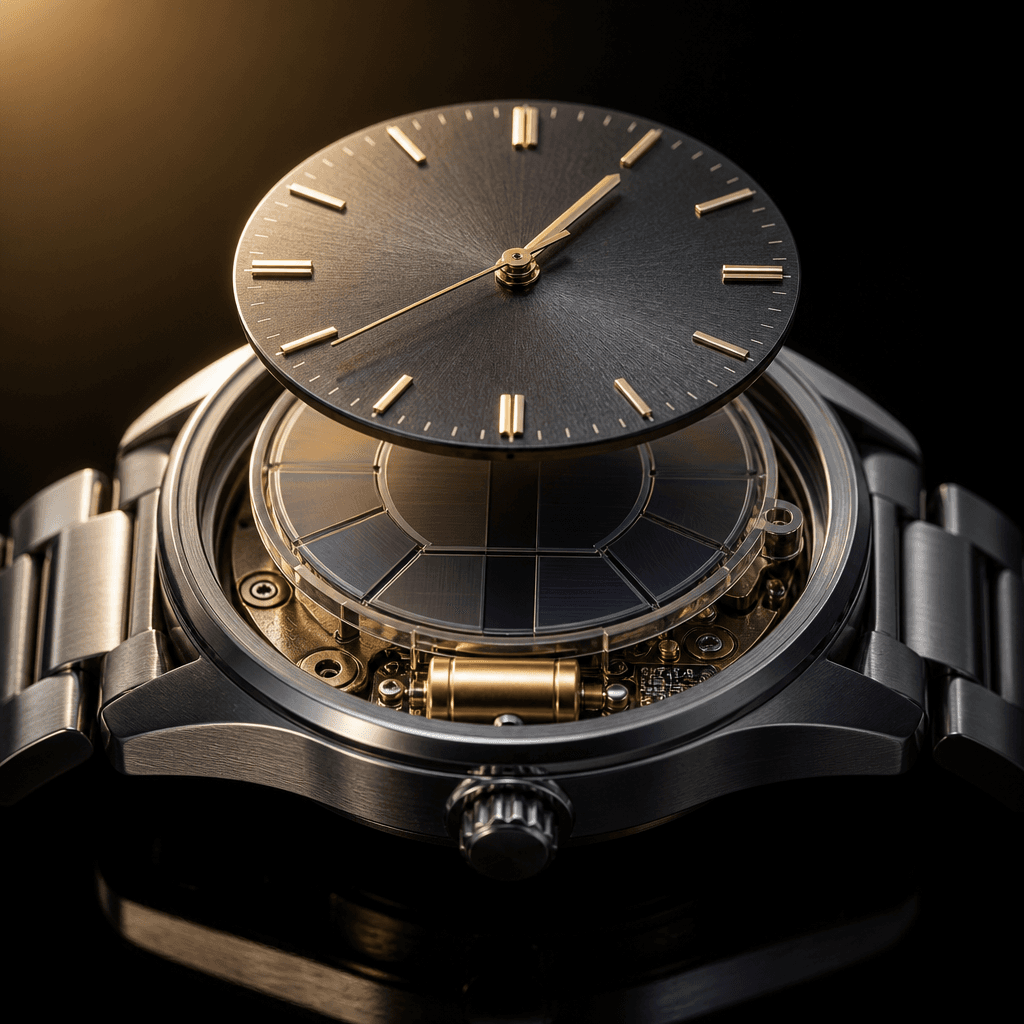
What drives the hands — automatic, manual, quartz, spring drive or solar — and how each one behaves.
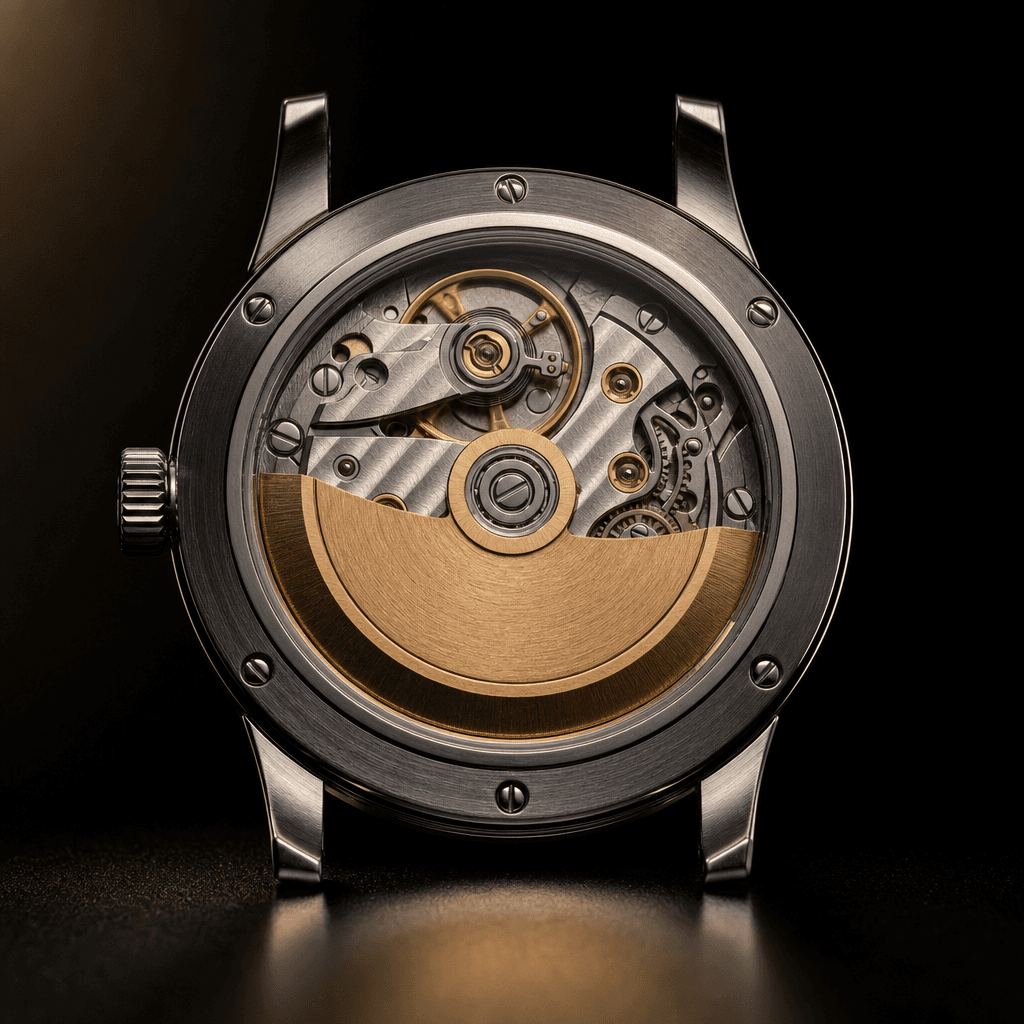
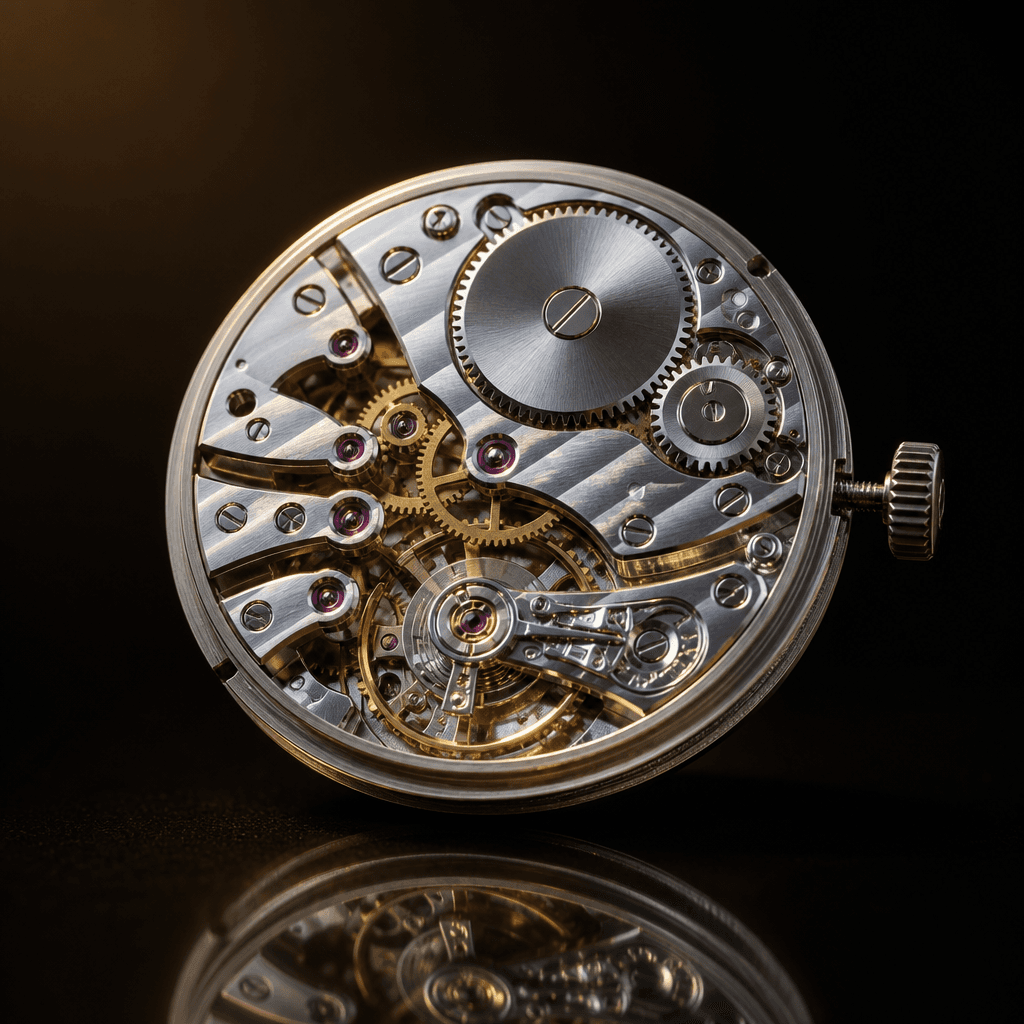
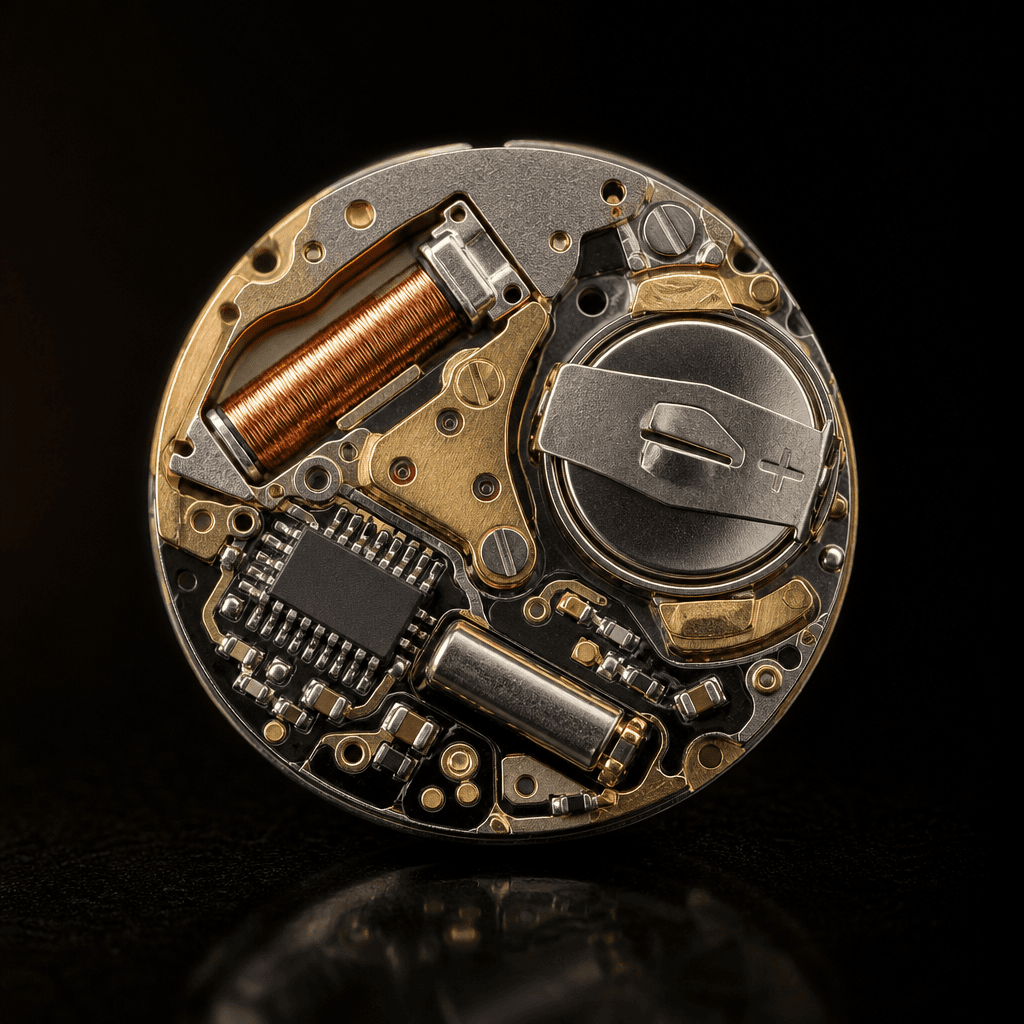
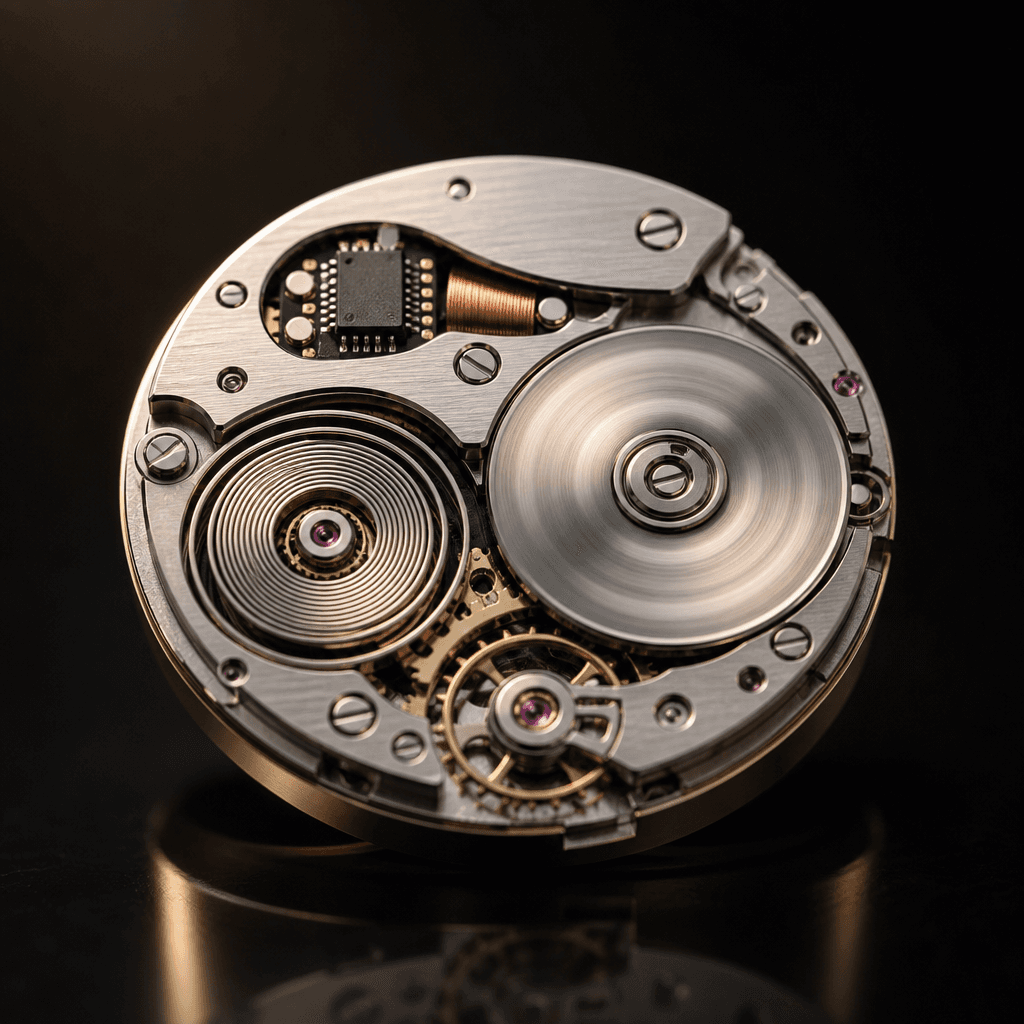
Automatic (Self-Winding)
A rotor winds the mainspring from your wrist motion.
Manual (Hand-Wound)
You wind the crown; the purest mechanical experience.
Quartz
A battery and a vibrating crystal — cheap and precise.
Spring Drive
A mechanical mainspring regulated with quartz precision.
Solar (Light-Powered)
Light charges a cell that can run for months in the dark.
Meca-Quartz
Quartz timekeeping with a mechanical chronograph.
Kinetic
Wrist motion generates electricity for a quartz movement.
Tuning Fork (Accutron)
A humming fork instead of a ticking balance wheel.
Digital (LCD/LED)
A quartz movement with a screen instead of hands.
15 topics
Complications
Every function beyond telling the time: how to read it, and what it does to value.
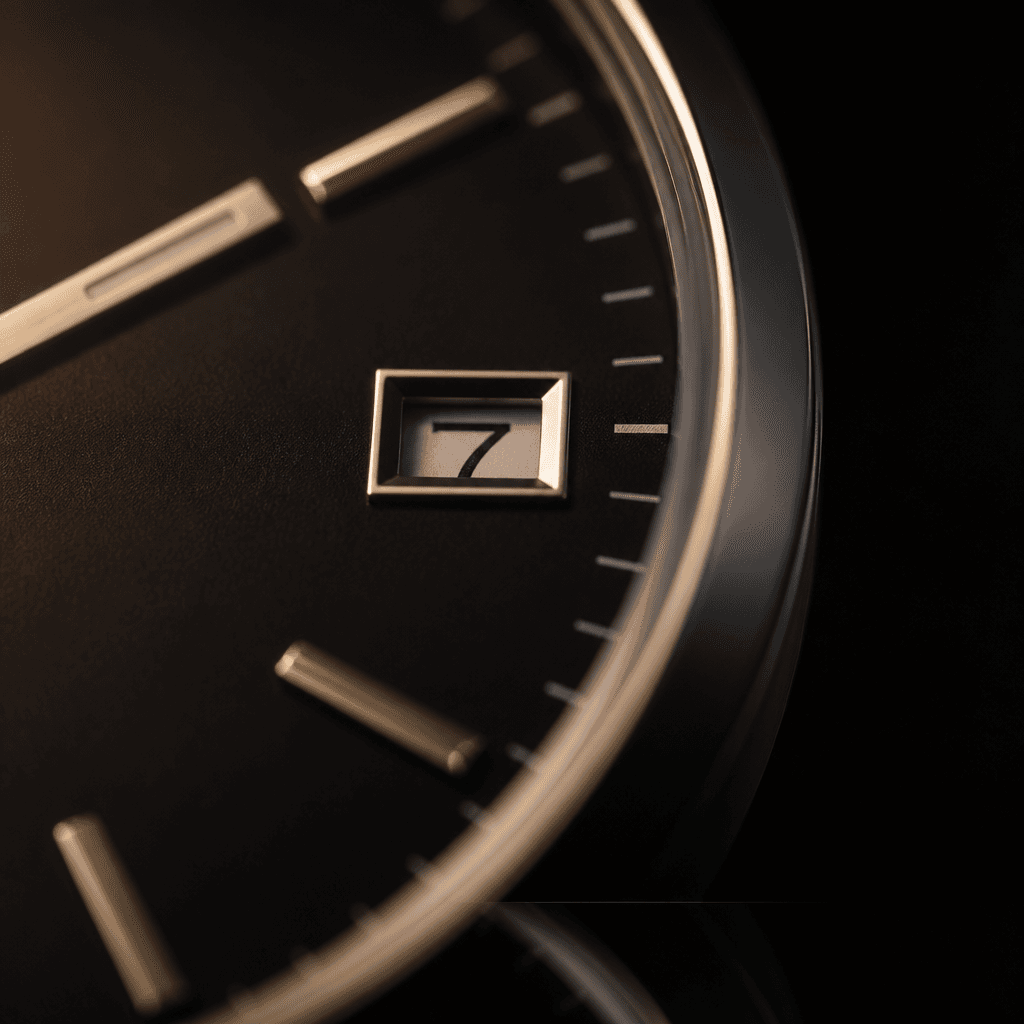
Date
The most common complication — the day of the month.
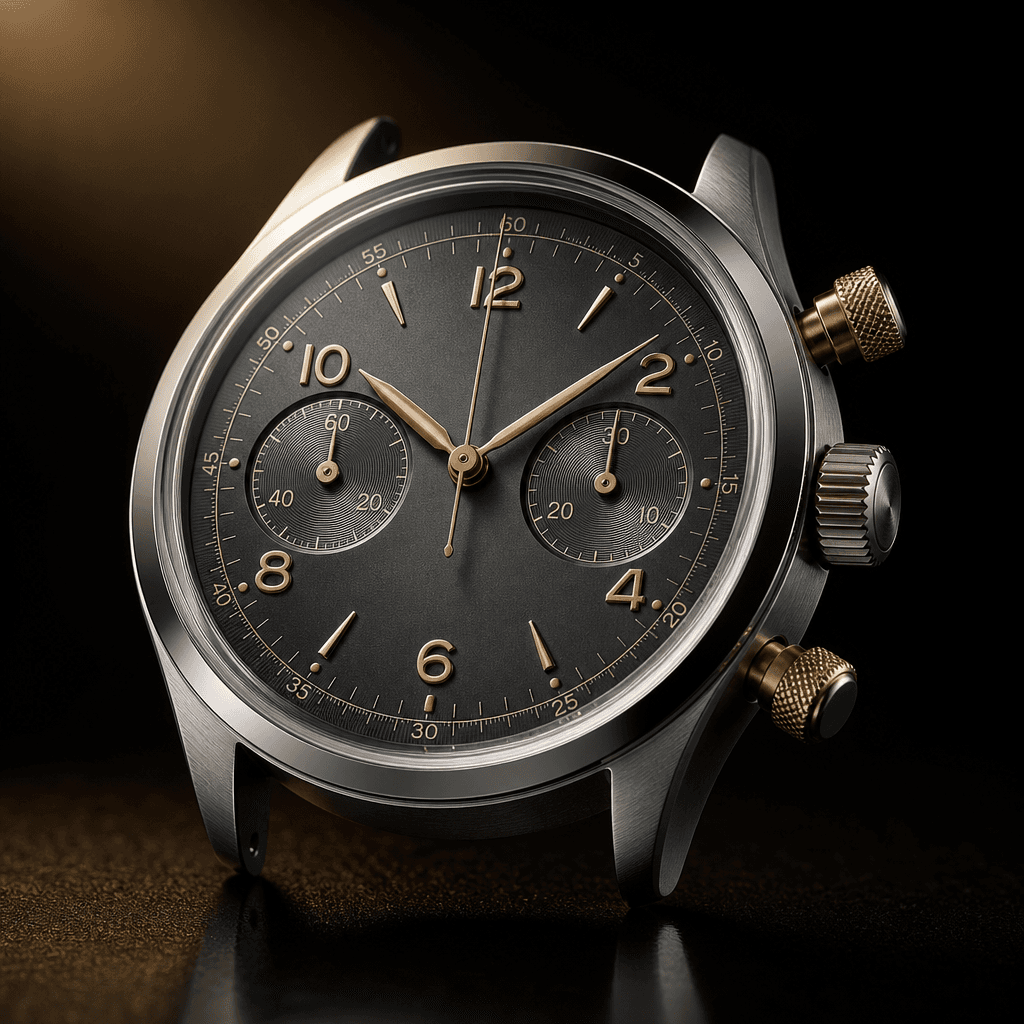
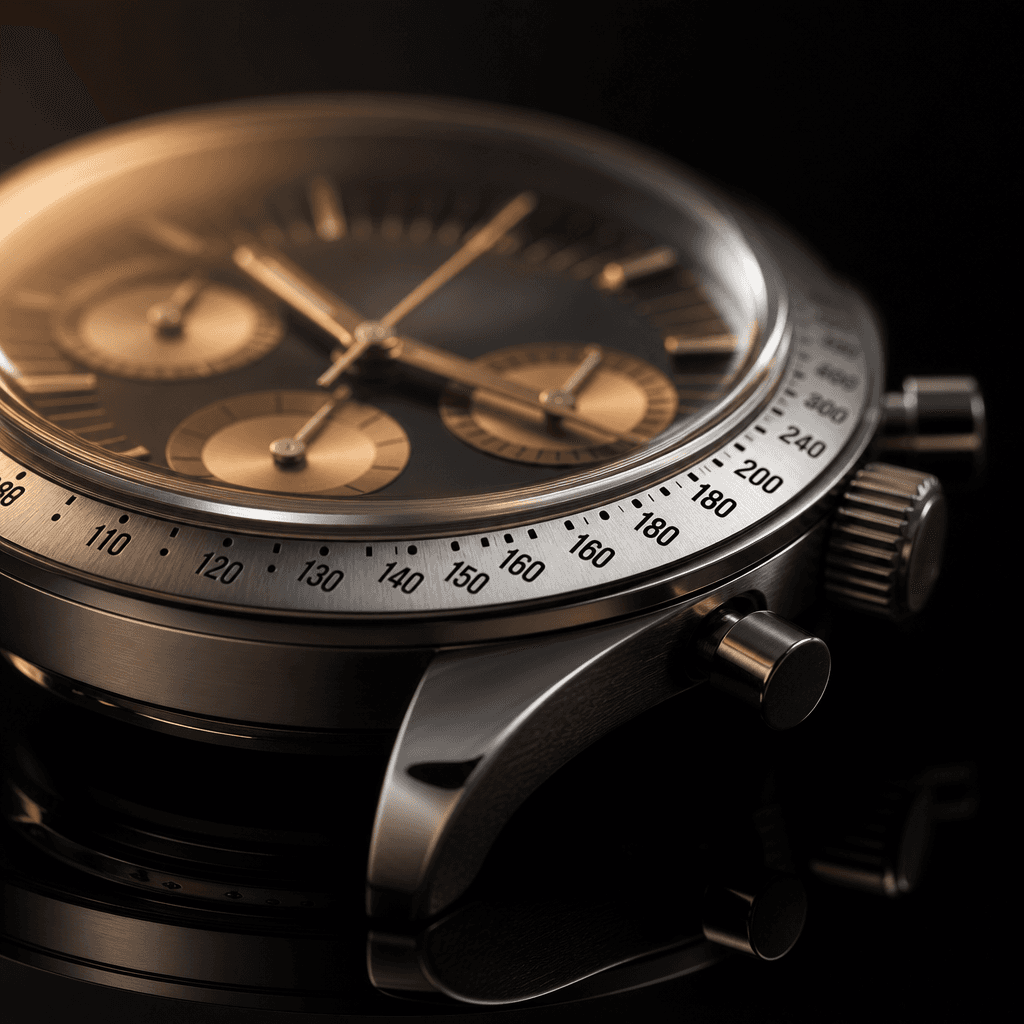
Chronograph
A stopwatch built into the watch.
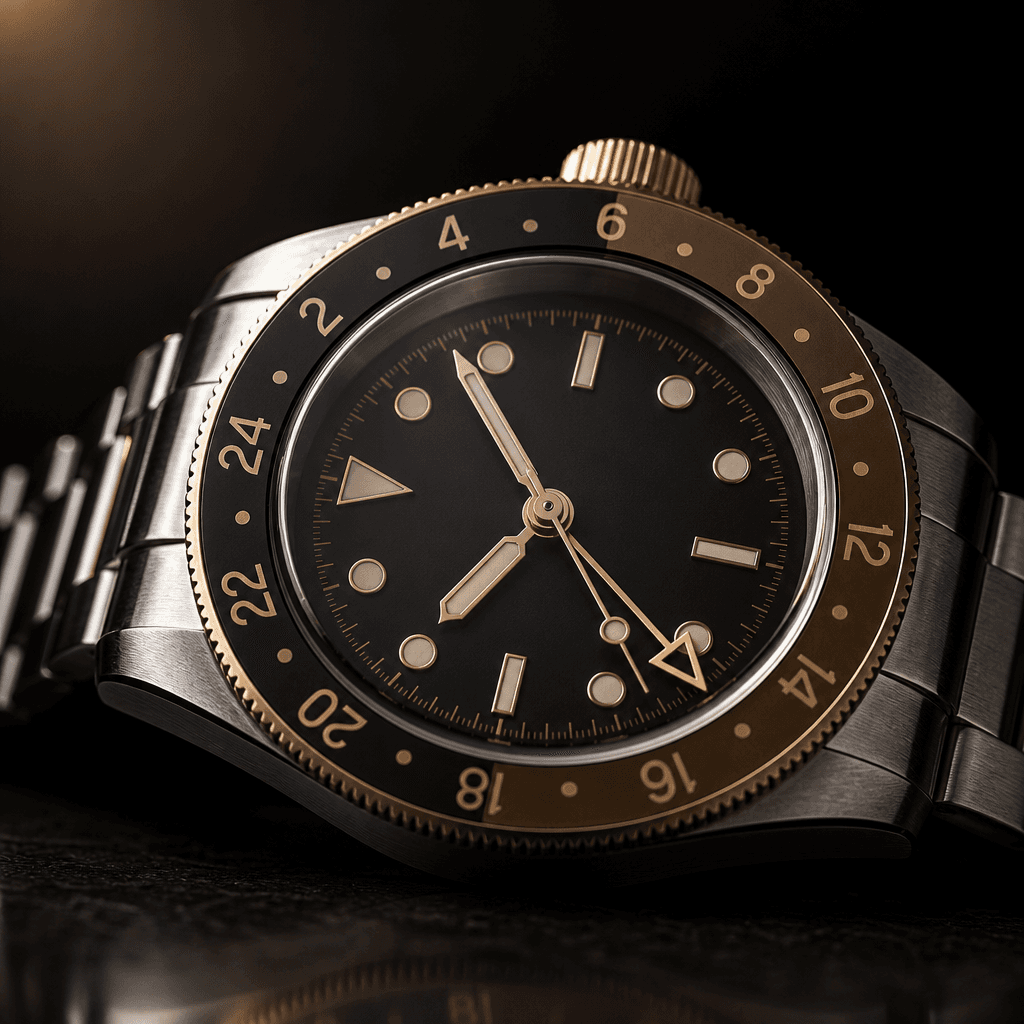
GMT / Dual Time
Tracks a second (or more) time zone at a glance.
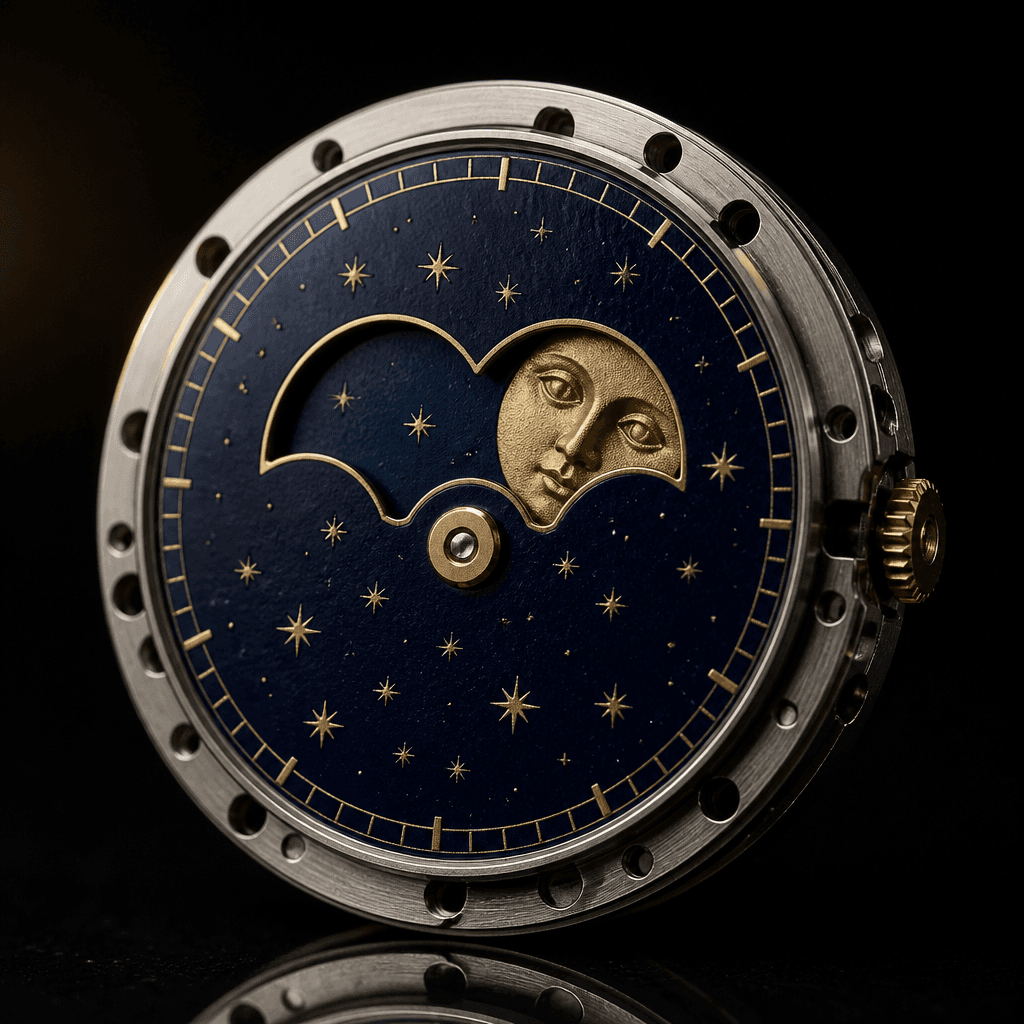
Moonphase
A little window that follows the lunar cycle.
Tachymeter
A bezel scale that converts elapsed time into speed.
Power Reserve Indicator
A fuel gauge for the mainspring.
Perpetual Calendar
Knows the date, month, and leap years — until 2100.
Tourbillon
A rotating cage that averages out gravity's error.
World Time
All 24 time zones readable at once.
Annual Calendar
Knows every month length except February.
Alarm
A mechanical buzzer on your wrist.
Minute Repeater
Chimes the time on demand, to the minute.
Small Seconds
A seconds hand on its own sub-dial.
Jumping Hour
The hour snaps into a window instead of sweeping.
Split-Seconds (Rattrapante)
Times two events at once with stacked seconds hands.
10 topics
Styles
Dive, dress, pilot, field, racing and traveler — the design families and their hallmarks.
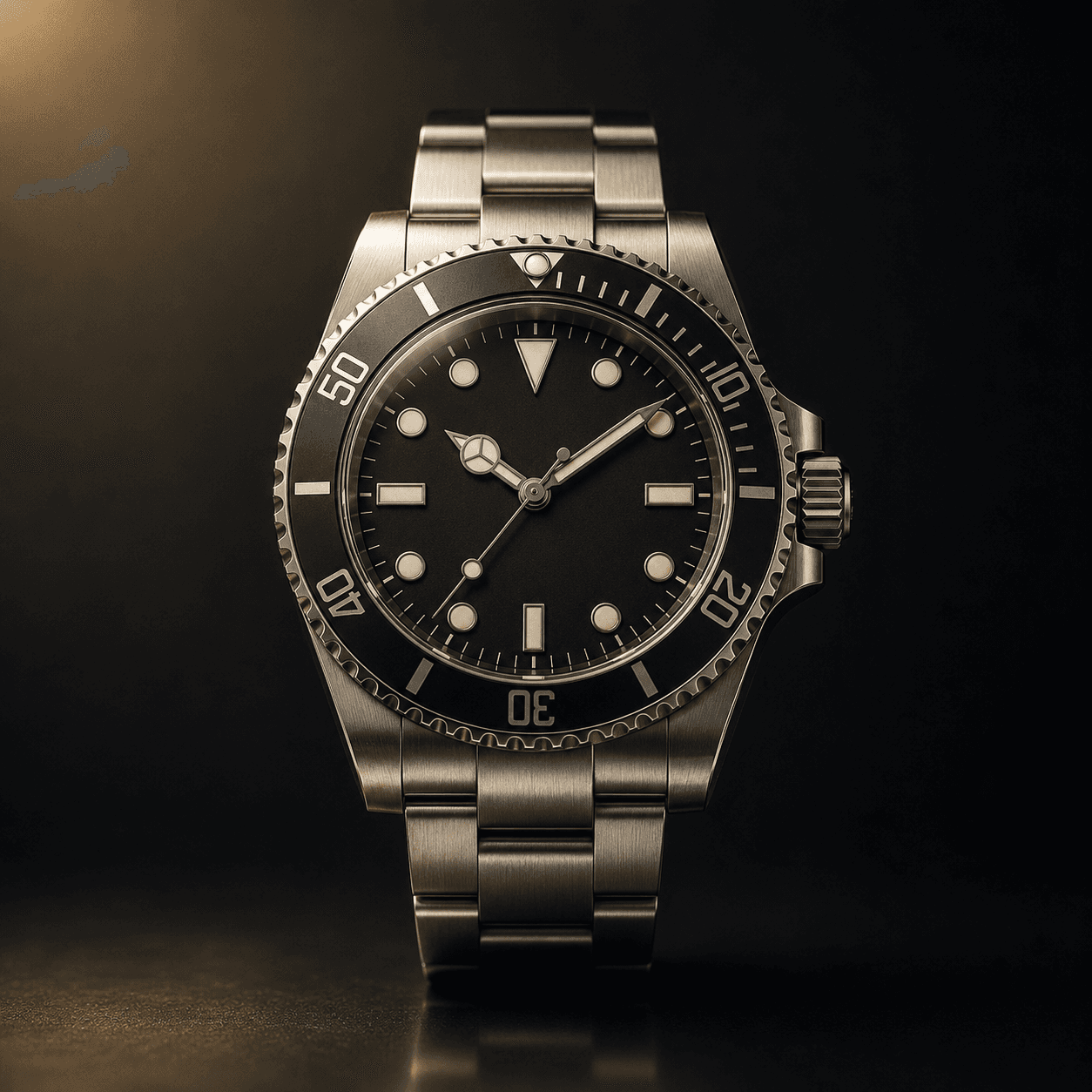
Dive Watch
Built to be legible and watertight deep underwater.
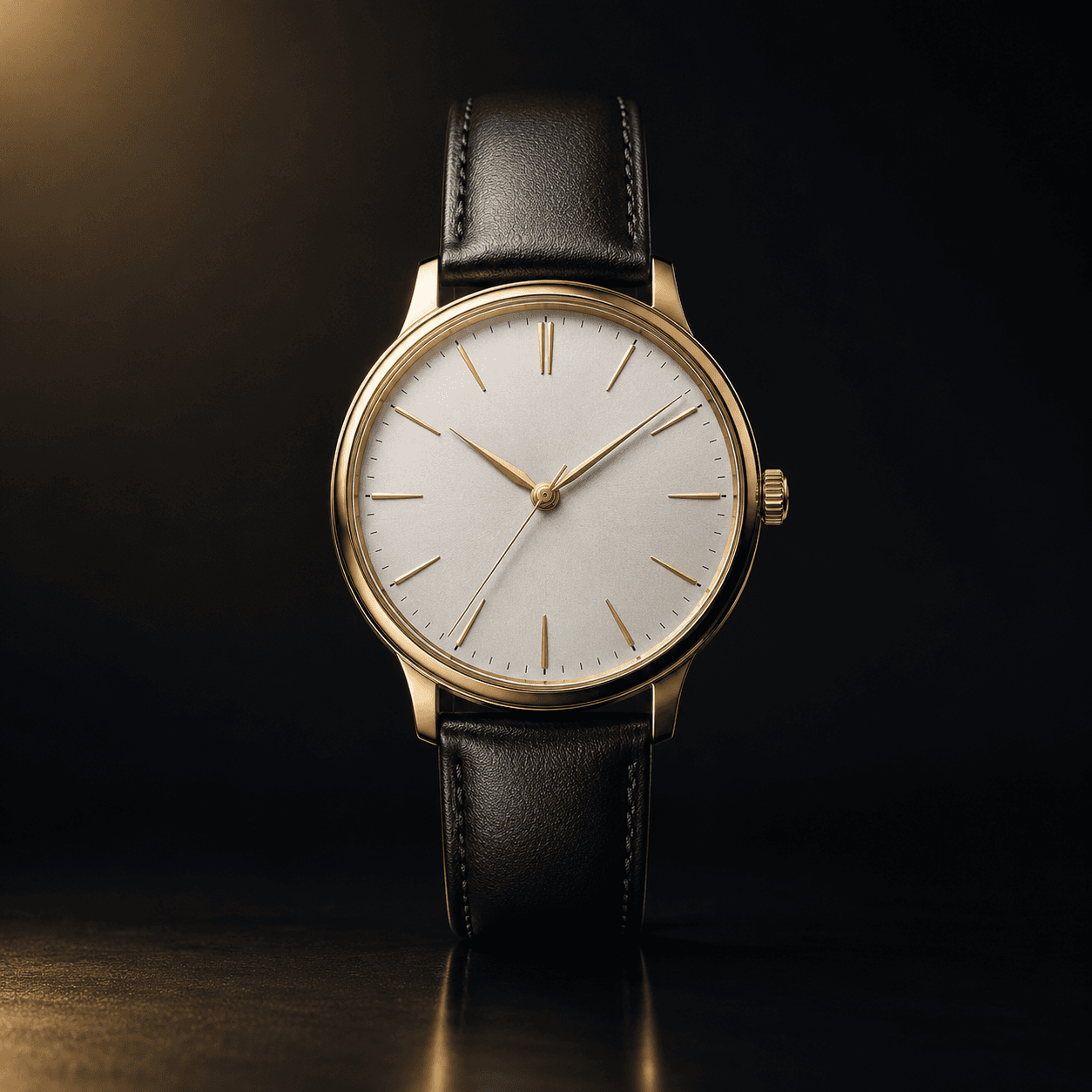
Dress Watch
Thin, understated, and made to slip under a cuff.
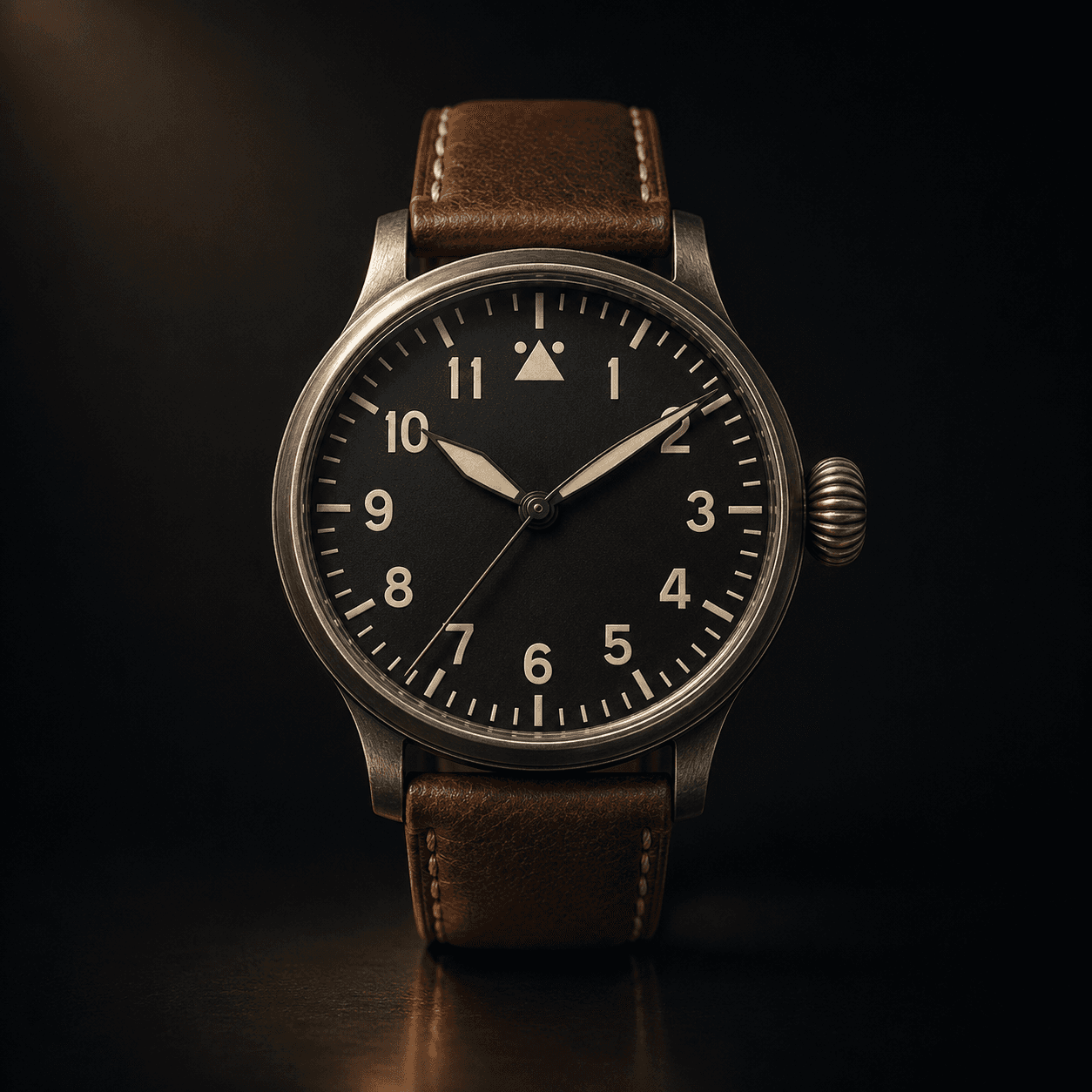
Pilot / Aviator
Maximum legibility for the cockpit.
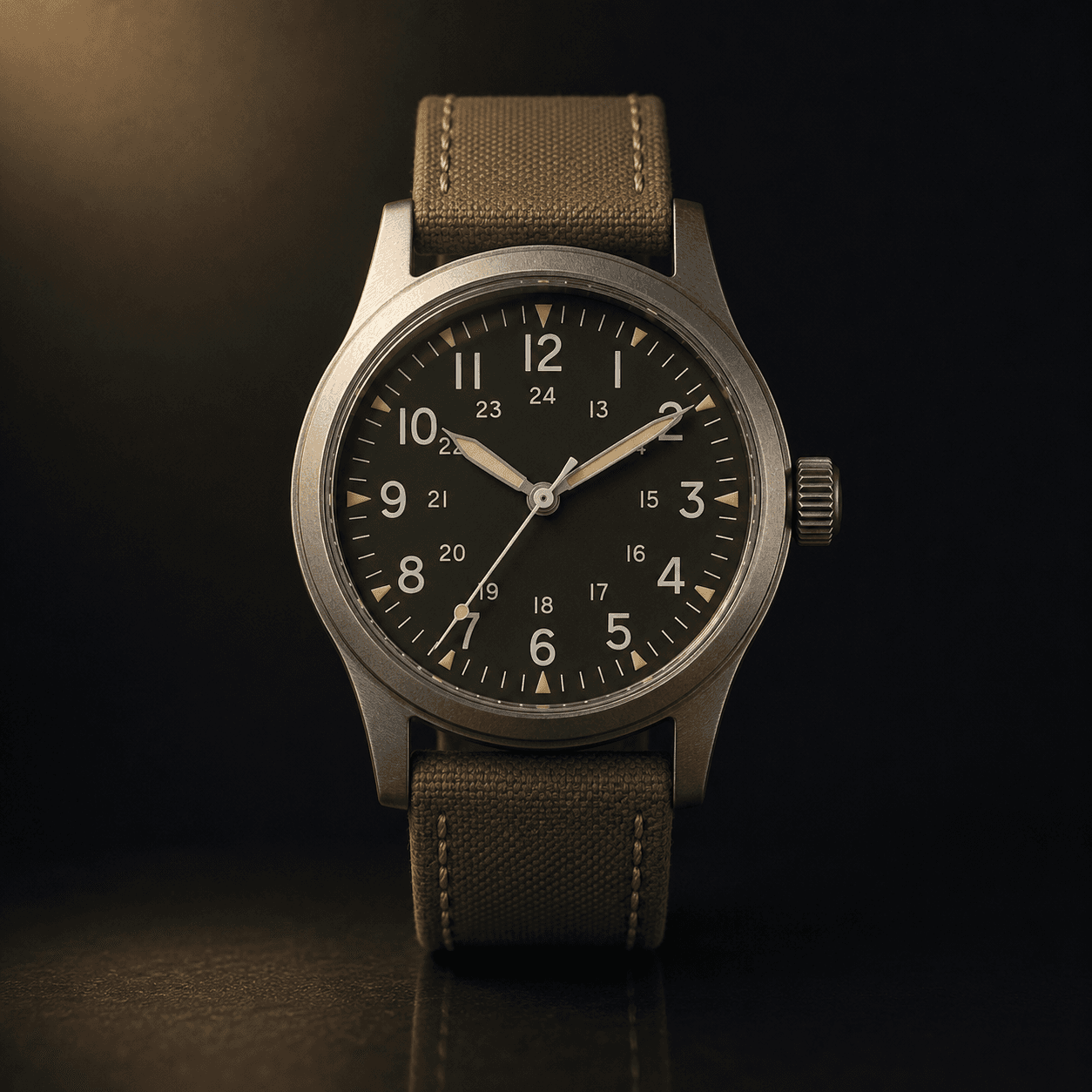
Field Watch
Rugged, legible, and unpretentious.
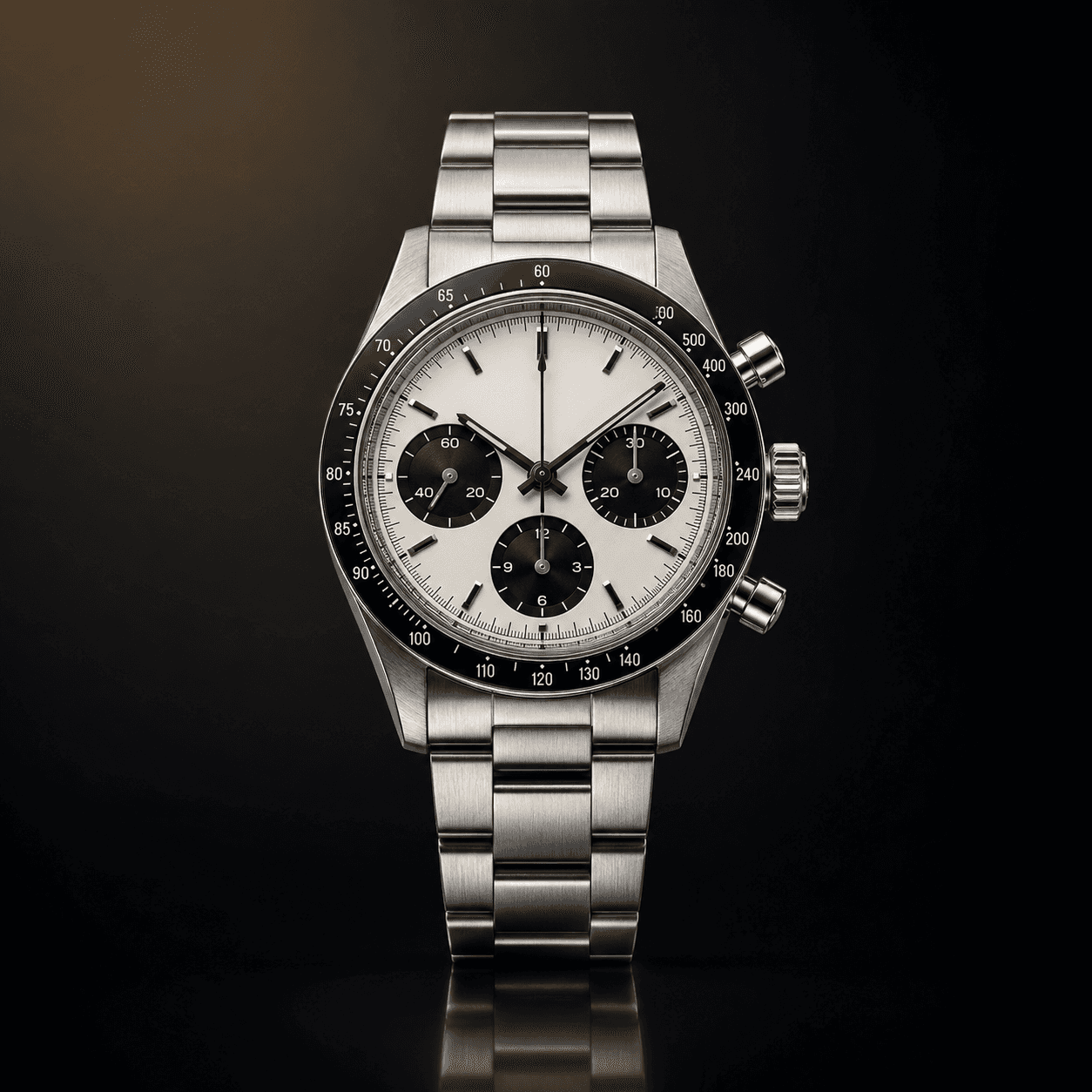
Chronograph / Racing
Stopwatch dials born from the track.
GMT / Traveler
Designed to live across time zones.
Integrated-Bracelet Sports Watch
Steel, luxury-priced, with a bracelet built into the case.
Skeleton
The movement itself is the dial.
Digital
A screen, a resin case, and more functions than hands allow.
Vintage Reissue
An archive design rebuilt with modern reliability.
16 topics
Celebrities
Famous wrists and the watches they made legendary — with the stories behind them.
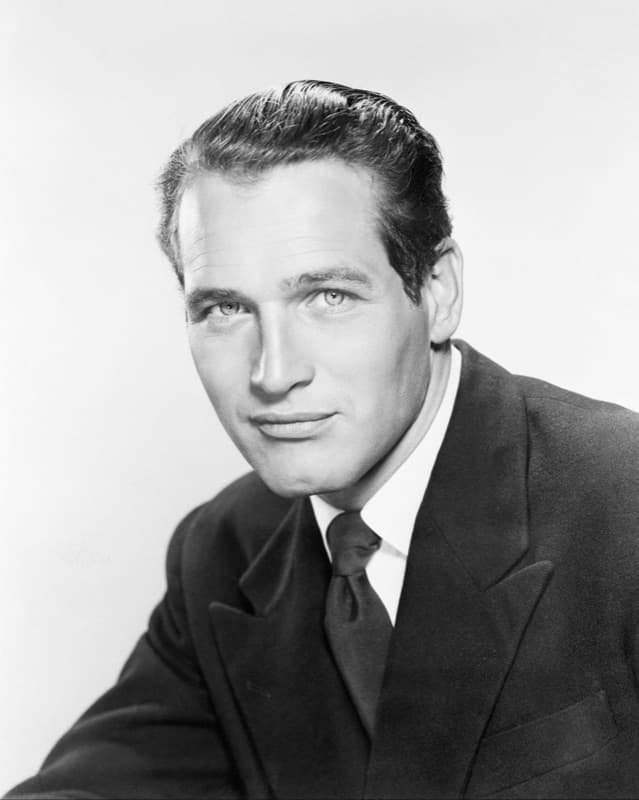
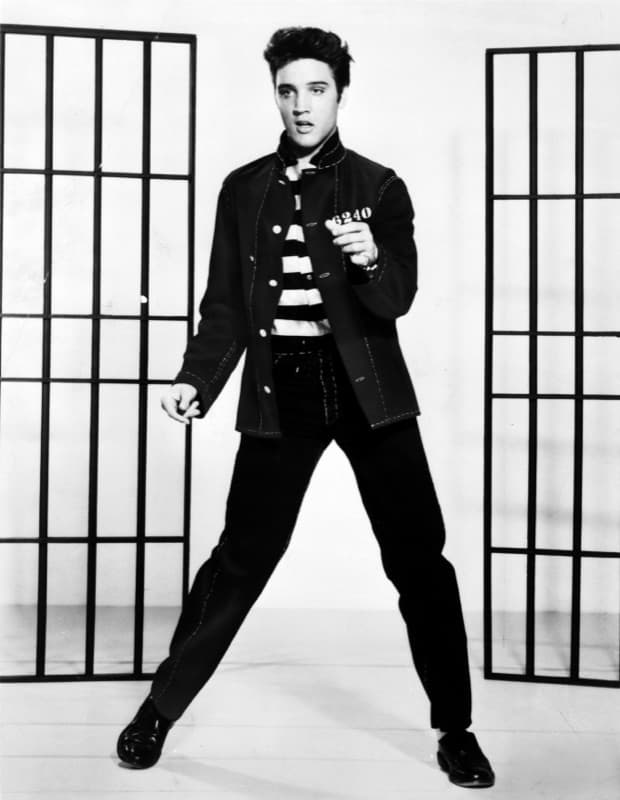
Paul Newman
His name is on the most famous Rolex dial of all.
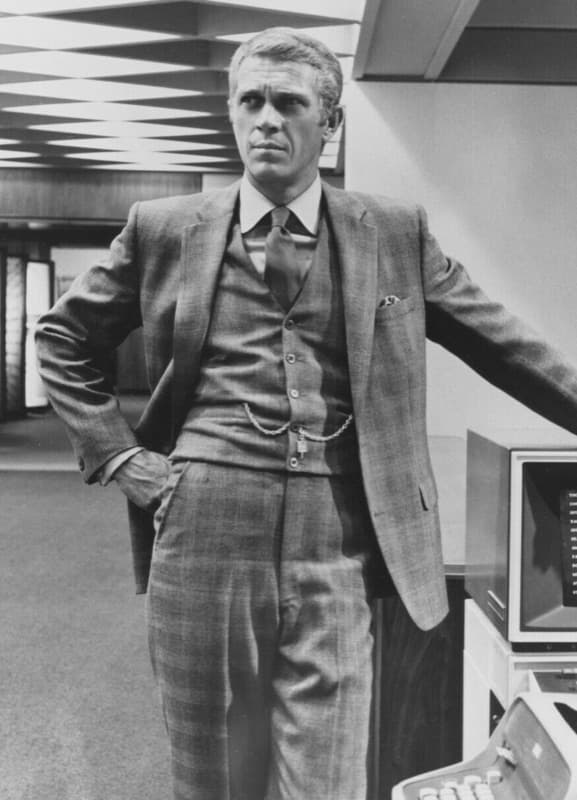
Steve McQueen
Made the square-cased Monaco a racing legend in Le Mans.
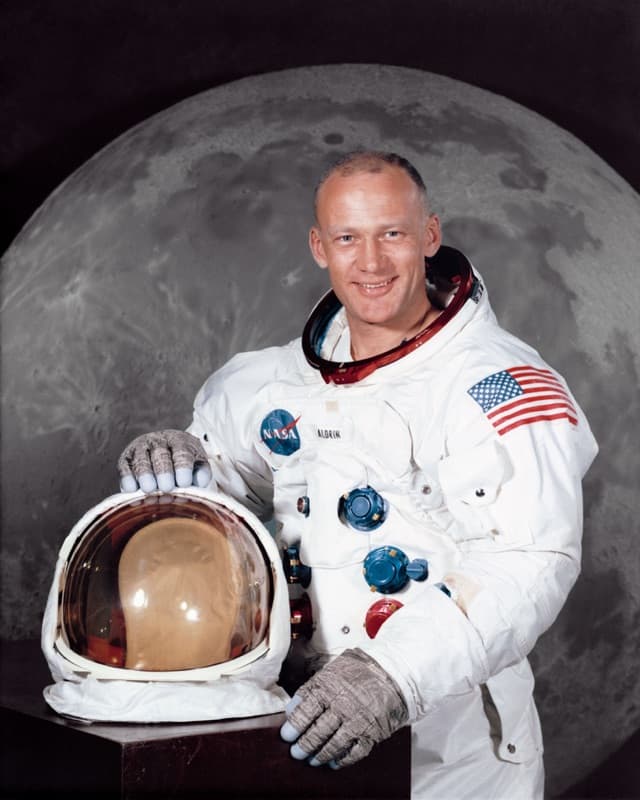
Buzz Aldrin
Wore the first watch on the Moon.
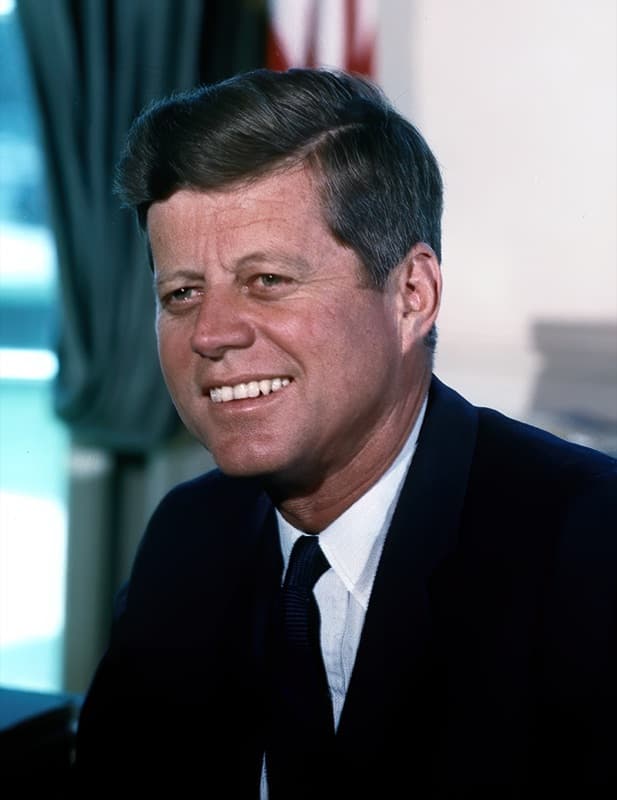
John F. Kennedy
Took the oath of office wearing a friend's gift.
Elvis Presley
The King wore the world's first electric watch.
Diana, Princess of Wales
Quiet elegance: a gold Tank from her father.
Barack Obama
From a $350 Secret Service gift to a discreet Rolex.
Shohei Ohtani
Baseball's two-way phenomenon fronts Seiko's flagship.
David Beckham
The face of Tudor's Born To Dare era.
Serena Williams
Won Grand Slams with a Royal Oak on her wrist.
John Mayer
The collector who taught a generation to love watches.
Eric Clapton
Owned one of the two platinum 2499s on earth.
Sylvester Stallone
Single-handedly launched Panerai's modern era.
Jay-Z
Owns the bluest grail in modern collecting.
Winston Churchill
Ran an empire on a pocket watch called the Turnip.
Albert Einstein
Relativity's father kept time with a gold Longines.
Did you know?
36 horology facts
- 01
The word 'clock' comes from the Latin 'clocca', meaning bell — early public clocks rang the hours before they had faces.
- 02
'Wristwatches' were once considered feminine; WWI trench warfare made them standard for men who needed both hands free.
- 03
A mechanical watch's 'tick' is really 6–10 beats per second — the balance wheel swinging back and forth.
- 04
Jewels in a movement are synthetic rubies used as low-friction bearings — a 'jeweled' movement isn't about decoration.
- 05
'Hacking' means the seconds hand stops when you pull the crown, so you can set the time to the exact second.
- 06
Water resistance is rated for static pressure, not activity — a '30m' watch is really only splash-proof.
- 07
The balance spring (hairspring) is thinner than a human hair and is the true heart of accuracy.
- 08
'COSC' certification tests a movement over 15 days in 5 positions and 3 temperatures for chronometer status.
- 09
Lume evolved from radioactive radium to safer tritium to today's non-radioactive Super-LumiNova.
- 10
A 'guilloché' dial is engine-turned — cut with intricate repeating patterns on a rose-engine lathe.
- 11
Sapphire crystal is second only to diamond in hardness, which is why premium watches use it over mineral glass.
- 12
The crown's 'winding' position, 'date' position, and 'time-set' position are why you feel distinct clicks when you pull it out.
- 13
The escapement is what makes a watch tick: it releases the gear train in equal steps, and the sound is the escape wheel being let go.
- 14
'Beats per hour' translates directly to ticks per second — 21,600 vph is six, 28,800 is eight, and 36,000 is ten.
- 15
The quartz crisis cut Swiss watch industry employment from roughly 90,000 in 1970 to about 30,000 by 1984.
- 16
NASA qualified the Omega Speedmaster for spaceflight in 1965 by testing chronographs to destruction; it was the only one that survived every test.
- 17
'Swiss made' is a legal definition, not marketing: at least 60% of production costs must be incurred in Switzerland.
- 18
Breguet invented the tourbillon in 1801 to average out gravity's effect on a pocket watch that spent all day in one vertical position.
- 19
The magnifying bubble over a Rolex date window is called a cyclops, and it enlarges the date by two and a half times.
- 20
A watch keeps different time on your wrist than on a timing machine, because position, temperature and how much you move all change its rate.
- 21
Power reserve comes down to mainspring length and barrel count — which is why long-reserve watches often have two barrels.
- 22
Radium dials painted between the 1910s and 1950s are still radioactive today, and the women who painted them suffered terribly for it.
- 23
18k gold is 75% gold by mass; the remaining quarter is what makes it hard enough to survive being worn.
- 24
A sandwich dial is two discs with lume glowing up through cut-out numerals, which is why the markers look recessed.
- 25
The thinnest mechanical watches ever built are under 2mm thick, achieved by using the caseback itself as the movement's mainplate.
- 26
'Ébauche' means an unfinished movement blank sold to other companies to decorate, adjust and sign — the reason very different watches can share the same caliber.
- 27
A watch's water-resistance rating is only valid until the gaskets dry out — which is why service intervals exist even if you never swim.
- 28
ISO 6425 is the dive-watch standard: 100m minimum, a unidirectional bezel, and a running-seconds indication you can check in the dark.
- 29
Anti-reflective coating on the inside of a sapphire crystal is why some watches look as if they have no glass at all.
- 30
The 1973 British Ministry of Defence spec 'STRAP, WRIST WATCH' is why the pass-through nylon strap is called a NATO.
- 31
A watch 'adjusted to five positions' has been timed dial-up, dial-down, and crown left, right and down — the extra three are how it behaves on the wrist.
- 32
The click of a rotating bezel is a spring-loaded jumper: 120 clicks means each is three minutes, 60 clicks means one minute.
- 33
A display caseback is a sapphire window over the movement; a solid caseback is stronger and more water-resistant, which is why tool watches rarely have one.
- 34
Lug width in millimetres (20mm, 22mm) is the only number that matters when you buy a new strap — not the case diameter.
- 35
A 'box' crystal is flat on top with vertical sides, distorting the dial at an angle — a vintage look modern reissues copy on purpose.
- 36
Chronometer and chronograph are not related: a chronometer is a certified-accurate timekeeper; a chronograph is a watch that can stop time.
Put a name to the watch in front of you
The library is more useful with a watch in the frame. Scan one and every result links back to the topics above.