01
Brand & model line
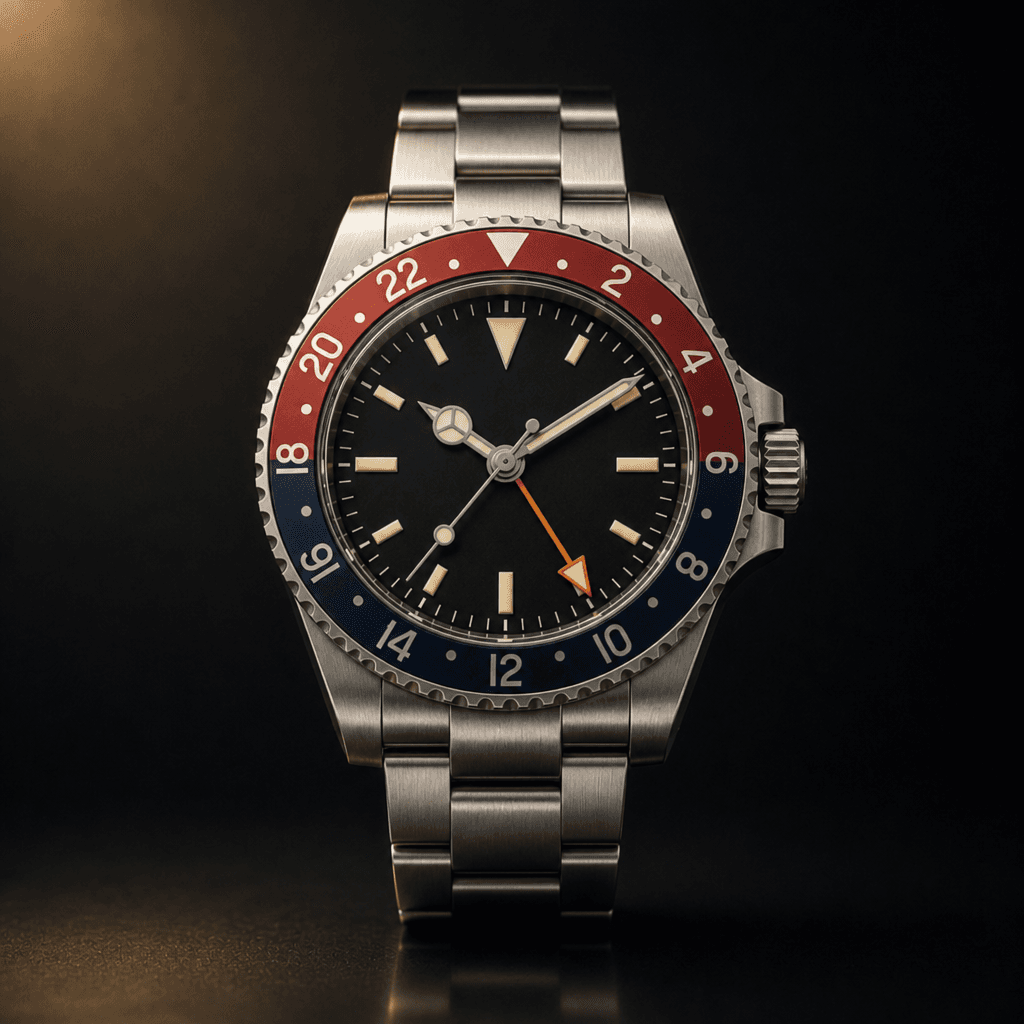
The likely maker and family — Submariner, Speedmaster, Prospex — with a confidence score so you know how firm the read is.
AI Watch Identifier
Snap a wristwatch or pocket watch and Watch ID returns a horologist-style breakdown in seconds — likely brand, model and reference, movement and caliber clues, case and dial detail, estimated production era and an estimated market-value range.
Free to download · 74 offline horology topics · No account needed to start
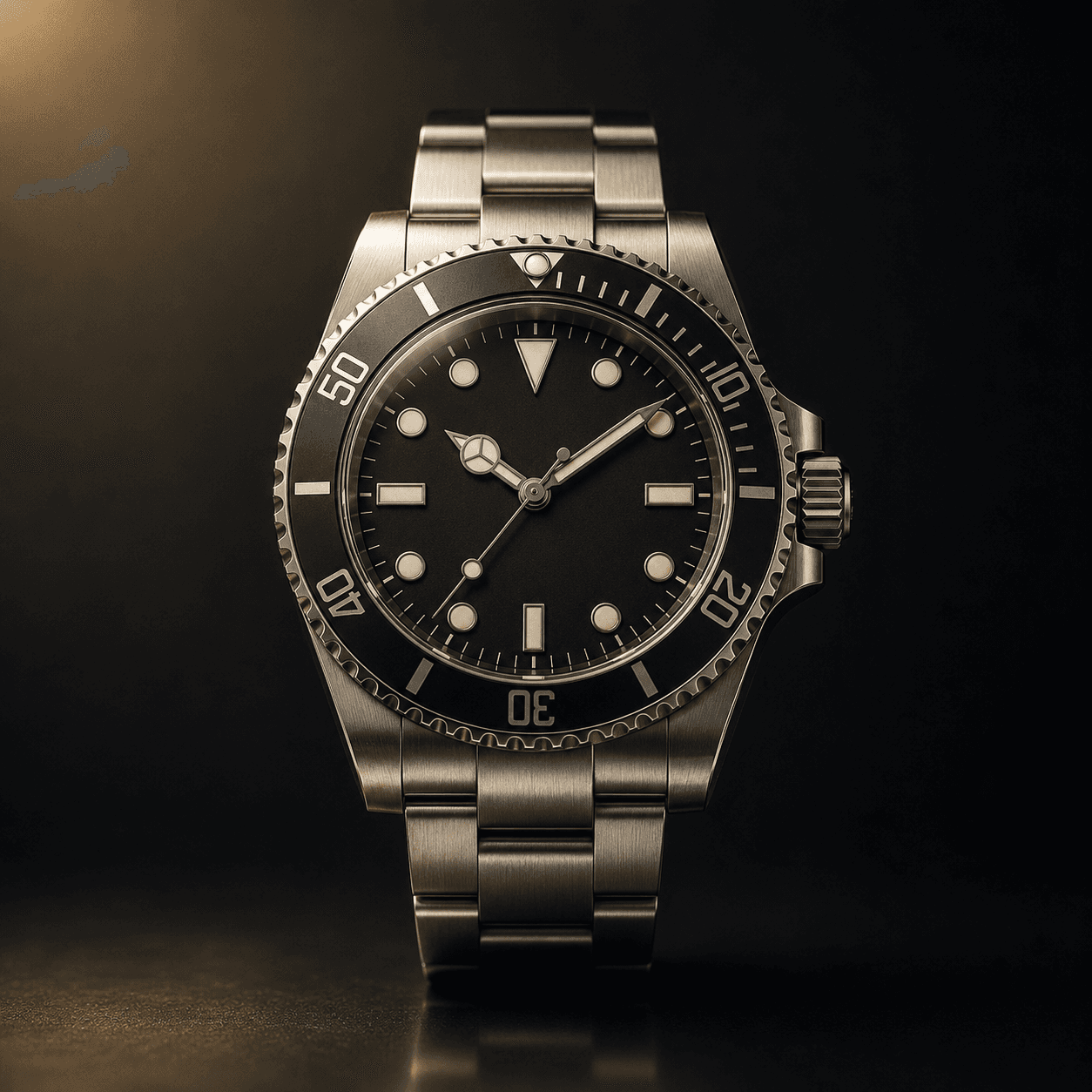
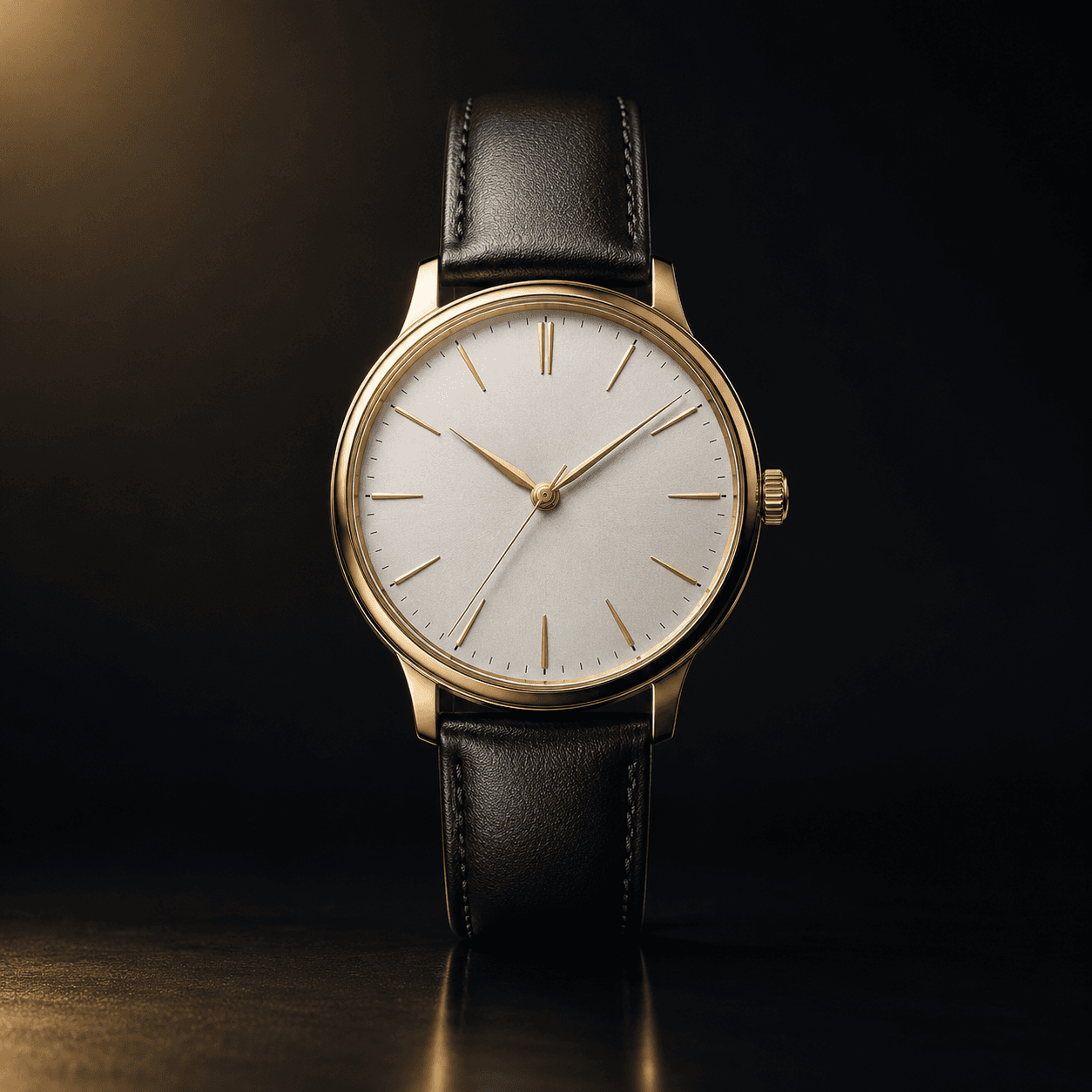
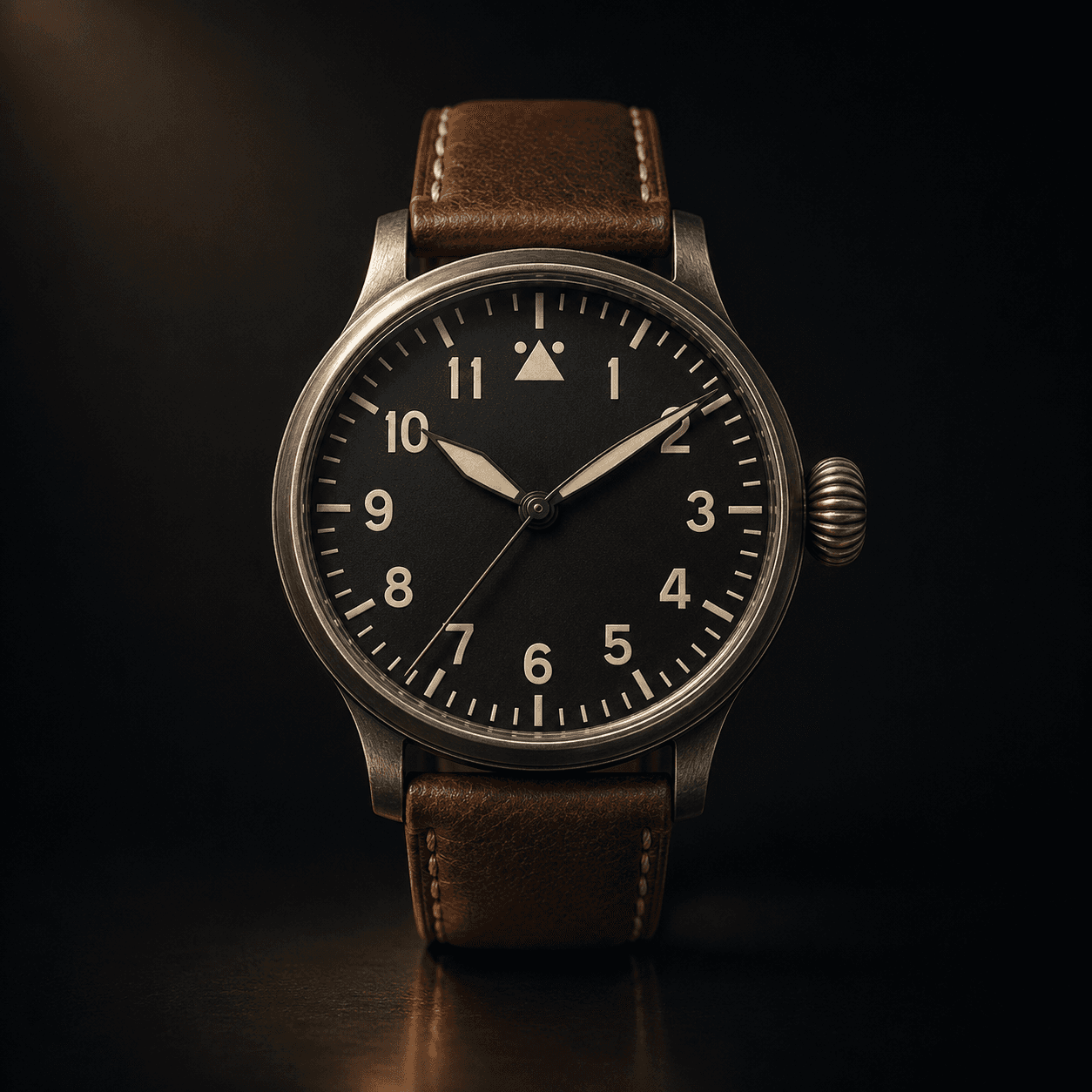
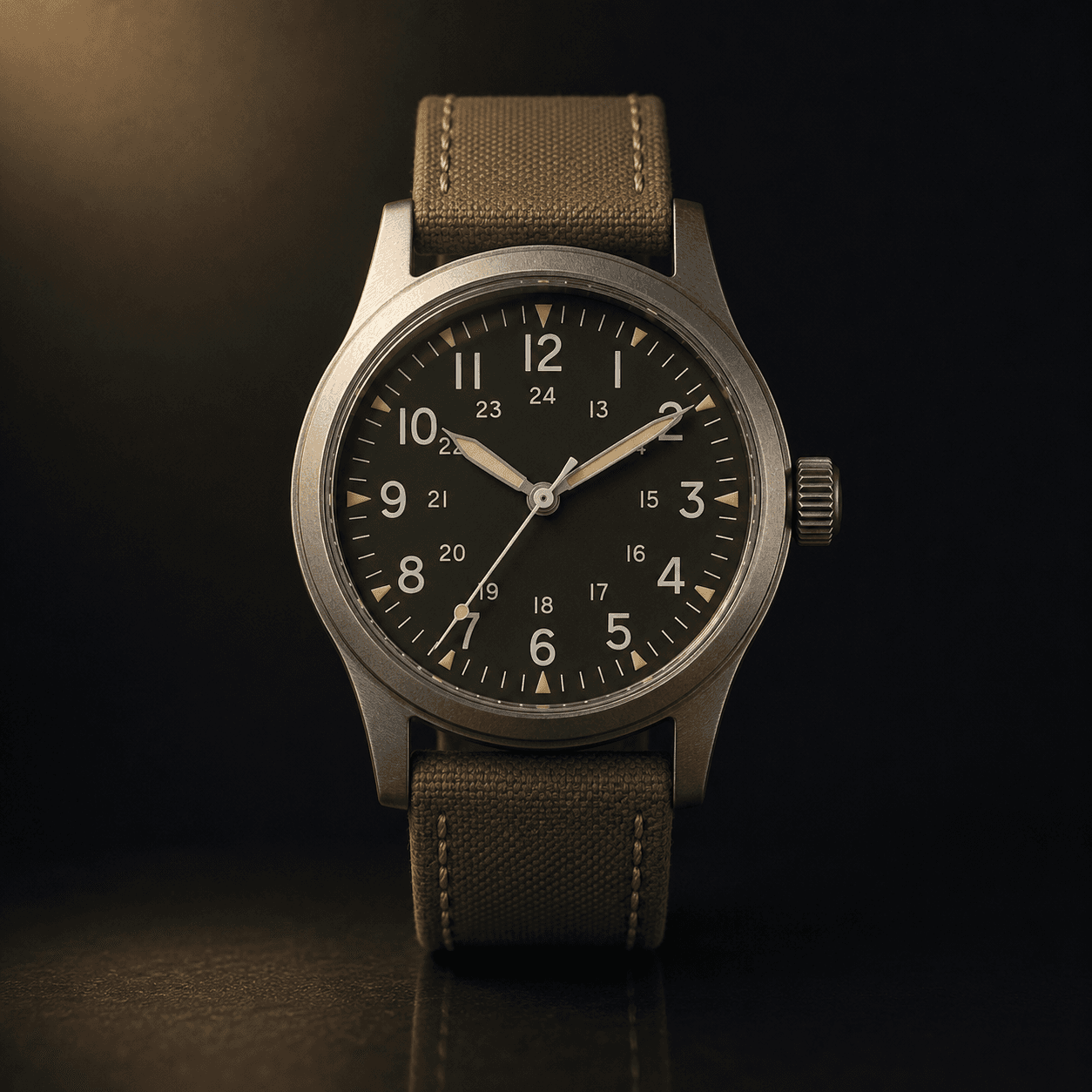
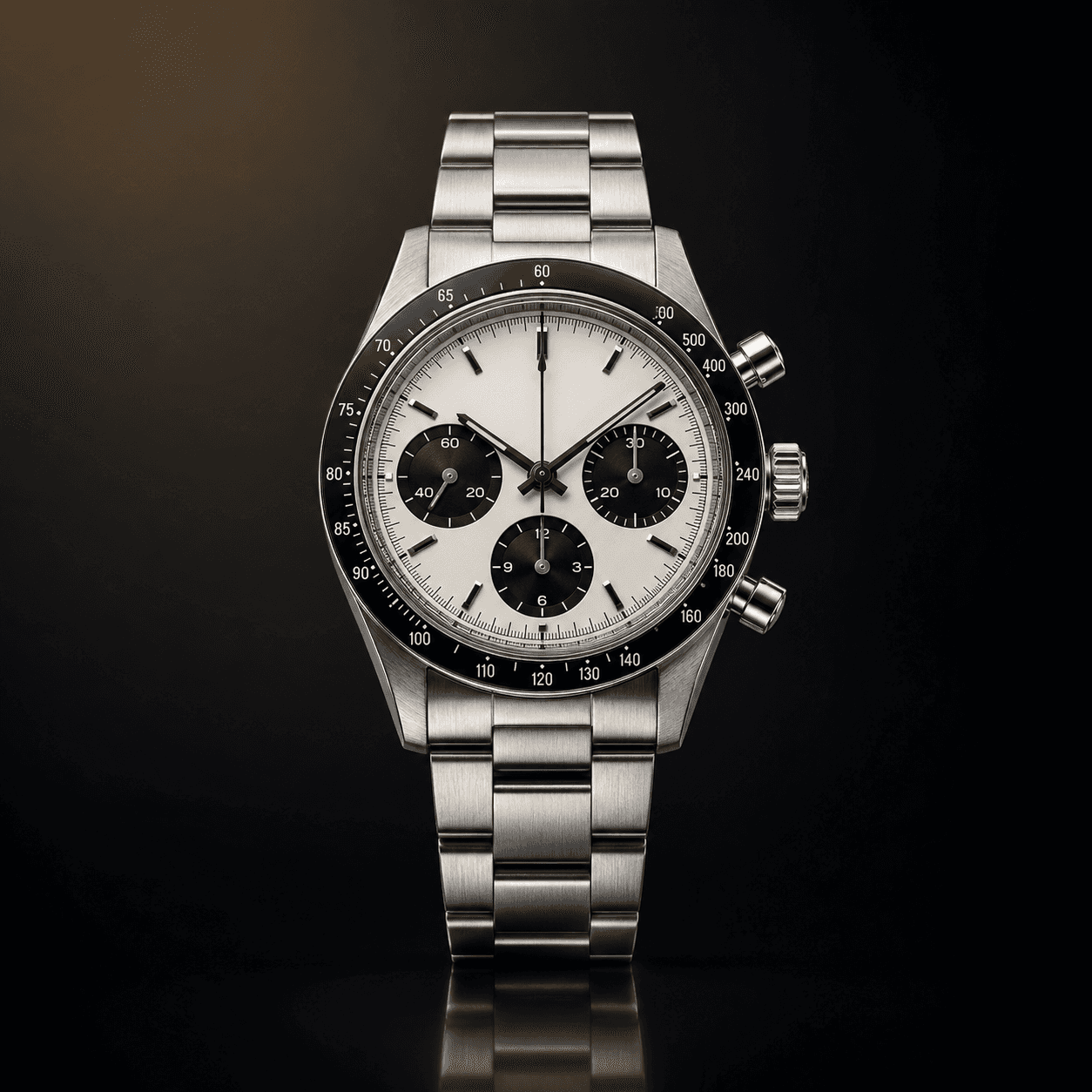
An example of the report format. A first opinion to frame a conversation — never an appraisal.
The report
Not just a brand name. Every identification is a structured read of the piece, field by field, with a confidence score attached.
The likely maker and family — Submariner, Speedmaster, Prospex — with a confidence score so you know how firm the read is.
The reference that pins a watch to a specific generation, dial variant and production window.
Automatic, manual, quartz, spring drive or solar, plus caliber hints and typical power reserve.
Case material and diameter, crystal type, bezel style and the depth rating the case was built for.
Dial colour and finish, hour-marker style, hand shapes and the lume that dates a piece.
Date, chronograph, GMT, moonphase, power reserve and more — what each one does and how to read it.
A dating window from design lineage and manufacturing tells, useful for vintage and inherited pieces.
An AI-derived range to frame a buying, selling or insurance conversation — a first opinion, not an appraisal.
How it works
Point the camera at the dial. The scan guide frames the shot and a zoom rail helps you fill the frame with the watch, not the wrist.
Front, caseback and a dial close-up. Casebacks carry reference and serial engravings; close-ups resolve the printing that separates a genuine dial from a redial.
Seconds later you get the full report — and every identification auto-saves to a searchable collection you can revisit, compare and export.
Included, offline
74 topics on the brands, movements, complications and design styles behind the watches you scan — written to be read, not skimmed, and linked straight from your results.
Who it's for
Great pieces turn up at estate sales, flea markets, auctions and online listings — places where you get seconds to decide. Watch ID puts a first opinion in your pocket.
Catalogue what you own, keep reference numbers and era notes in one place, and compare a new arrival against the pieces already in your collection.
You have seconds to decide on a tray of watches. Get a fast read on what is a quartz fashion piece and what is worth a closer look.
Pull the spec language a listing needs — reference, movement, case size, era — for eBay, Chrono24 and forum sales.
A watch turns up in a drawer with no box and no papers. Start with a photo and learn what it is before booking a specialist.
Did you know?
The word 'clock' comes from the Latin 'clocca', meaning bell — early public clocks rang the hours before they had faces.
'Wristwatches' were once considered feminine; WWI trench warfare made them standard for men who needed both hands free.
A mechanical watch's 'tick' is really 6–10 beats per second — the balance wheel swinging back and forth.
FAQ
It reads the visual signature of the piece — case shape and proportions, bezel and lug profile, dial layout, hand and marker style, crown guards, bracelet or strap fittings and any legible text — and matches those cues against horological reference knowledge. More angles narrow the read: the caseback often carries the reference and serial, and a dial close-up resolves printing that a wide shot blurs.
Every identification comes with a confidence score, and the app is deliberate about the difference between a firm read and a likely one. Distinctive, well-documented models — a Submariner, a Speedmaster, a Seiko SKX — read very reliably. Unsigned, heavily worn, redialled or obscure pieces are harder, and the app says so instead of guessing confidently. Treat the result as an expert first opinion, not a certificate.
No. The estimated market-value range is AI-derived from the identified model and its condition cues, and it is meant to frame a conversation — what to offer, what to ask, whether a piece is worth insuring separately. A formal appraisal or authentication needs a specialist with the watch in hand.
It can flag tells, not certify authenticity. The Horology Library documents what to look for brand by brand — crown etching, rehaut engraving, logo crispness, the feel and sound of a movement — and the app surfaces those checks alongside a result so you know where to look next. A convincing counterfeit needs to be opened and examined.
Yes. Vintage is where dating matters most, so results include an estimated production era drawn from design lineage and manufacturing detail. Pocket watches are supported too — a caseback shot is especially valuable there.
Identification runs against the cloud, so a scan needs a connection. Your saved collection and the Horology Library both work offline, so you can read up and review your finds on a plane or in a basement flea market with no signal.
In-app topics covering watch brands, movements, complications and design styles, plus a rotating set of horology facts. It is bundled with the app, works offline, and links straight from your scan results — identify a watch with a GMT hand and you can read what a GMT complication does and what it adds to value.
Watch ID is free to download with a set of free identifications and a free tier of the Horology Library. Pro unlocks unlimited scans, the full library including deep-dive brand and complication topics, and export from your collection.
Point the camera at it and find out — then keep every find in a collection that grows with you.
iPhone · iOS 17 or later · 74 topics included