Movement
Manual (Hand-Wound)
You wind the crown; the purest mechanical experience.
- Typical accuracy
- Typically −4 to +8 seconds per day depending on grade.
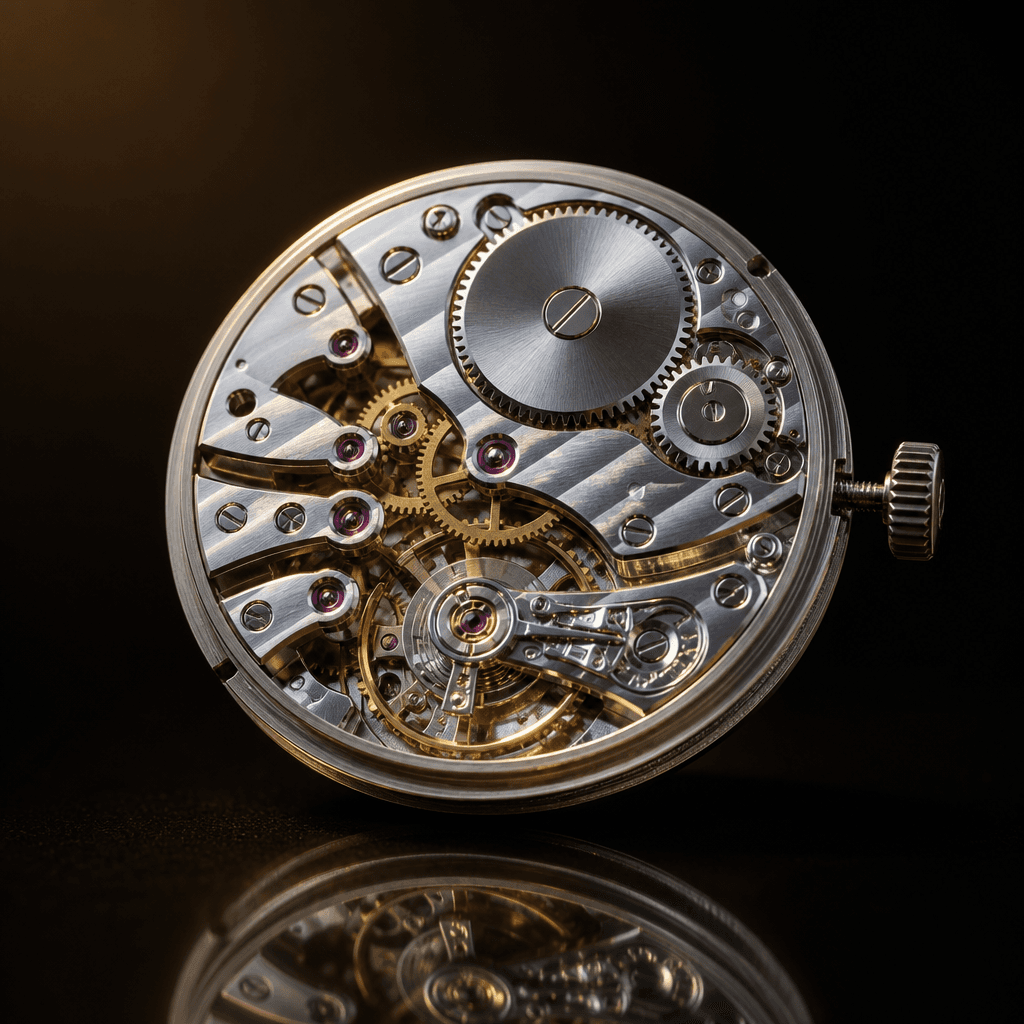
How it works
Identical to an automatic minus the rotor — you wind the mainspring by turning the crown. Without the rotor, the movement can be thinner, letting dress watches sit slim under a cuff and showing off the movement through a caseback.
Strengths
- Thinner cases are possible
- A ritual many enthusiasts enjoy
- Unobstructed view of the movement
- Mechanically simple and elegant
Trade-offs
- Must be wound daily
- Over-winding risk if forced past the stop
- Same accuracy limits as automatics
Care tips
How to keep one running well between services.
- Wind gently at the same time each day until you feel resistance, then stop
- Wind it off the wrist to avoid stressing the crown stem
- Service every 4–7 years
Keep reading
 Movement
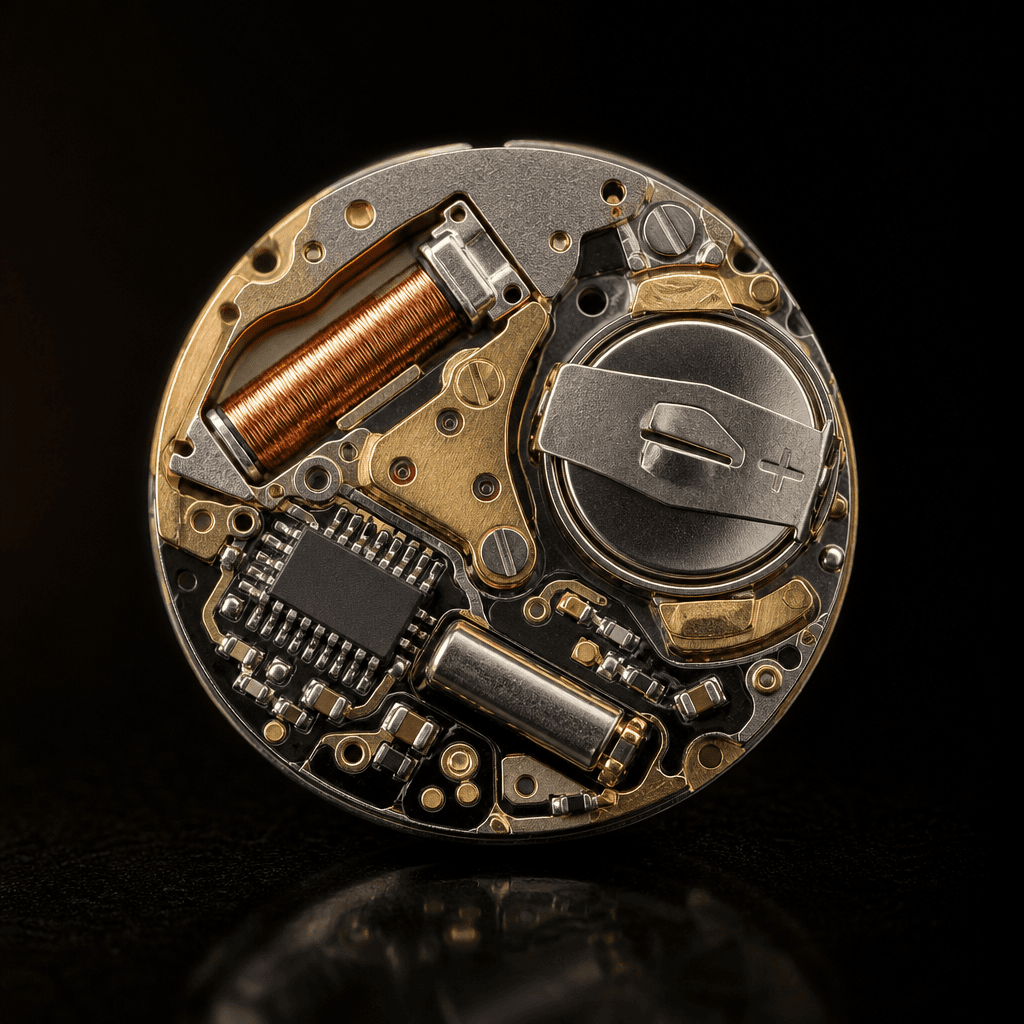
Quartz
A battery and a vibrating crystal — cheap and precise.
 Movement
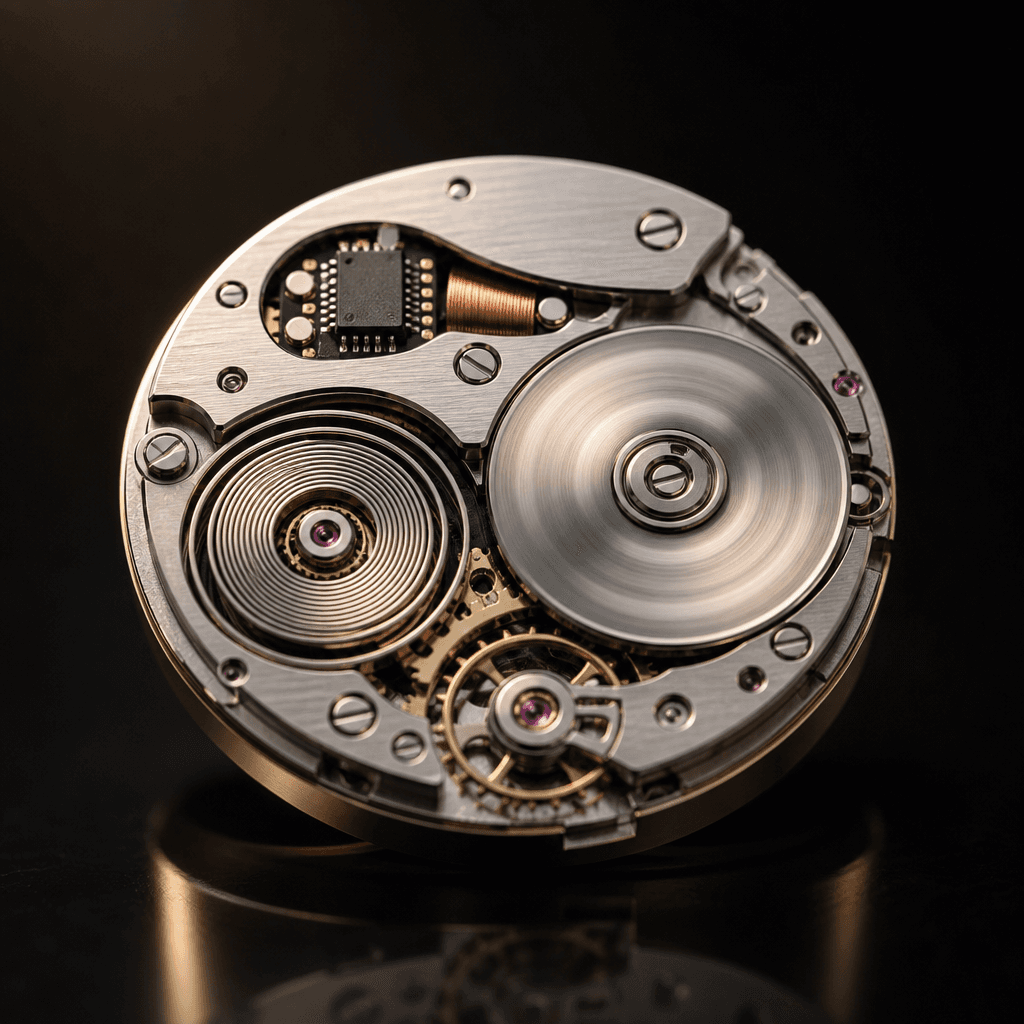
Spring Drive
A mechanical mainspring regulated with quartz precision.
 Movement
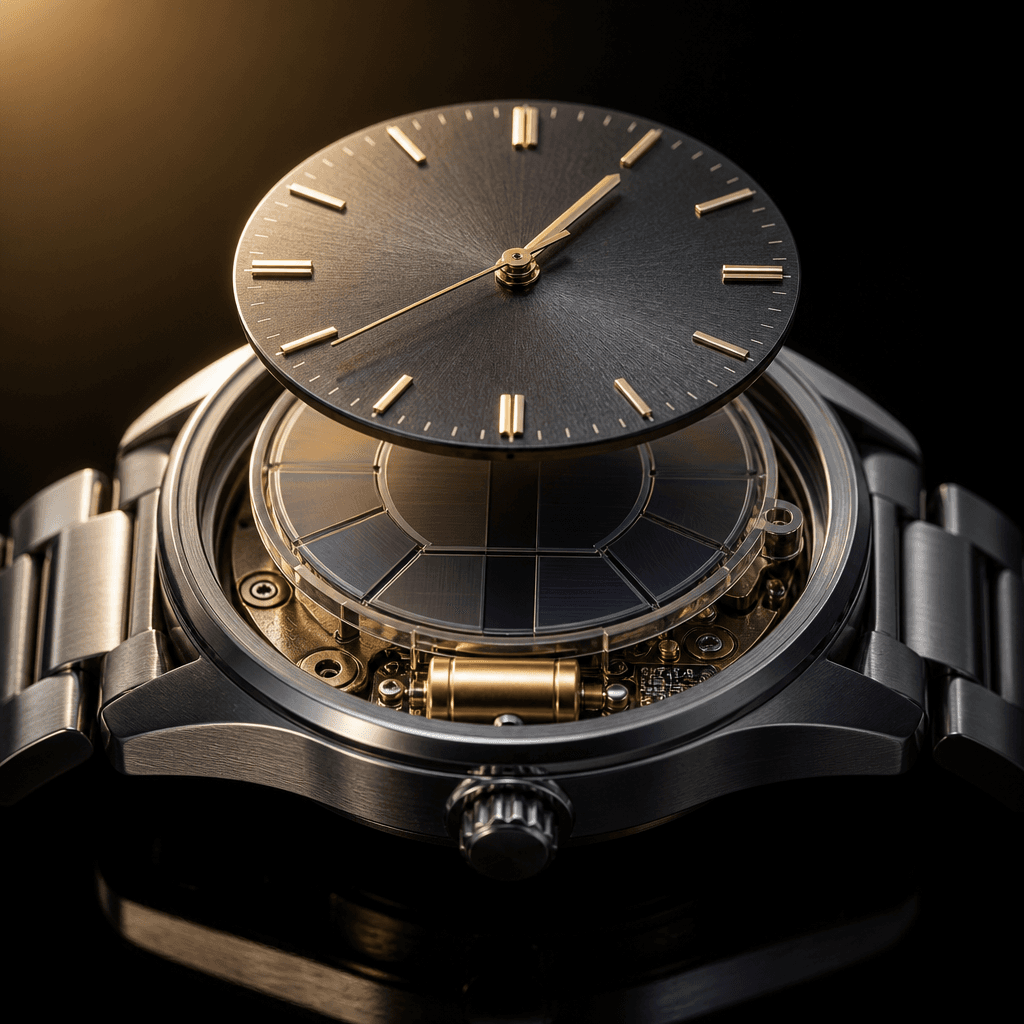
Solar (Light-Powered)
Light charges a cell that can run for months in the dark.
 Movement
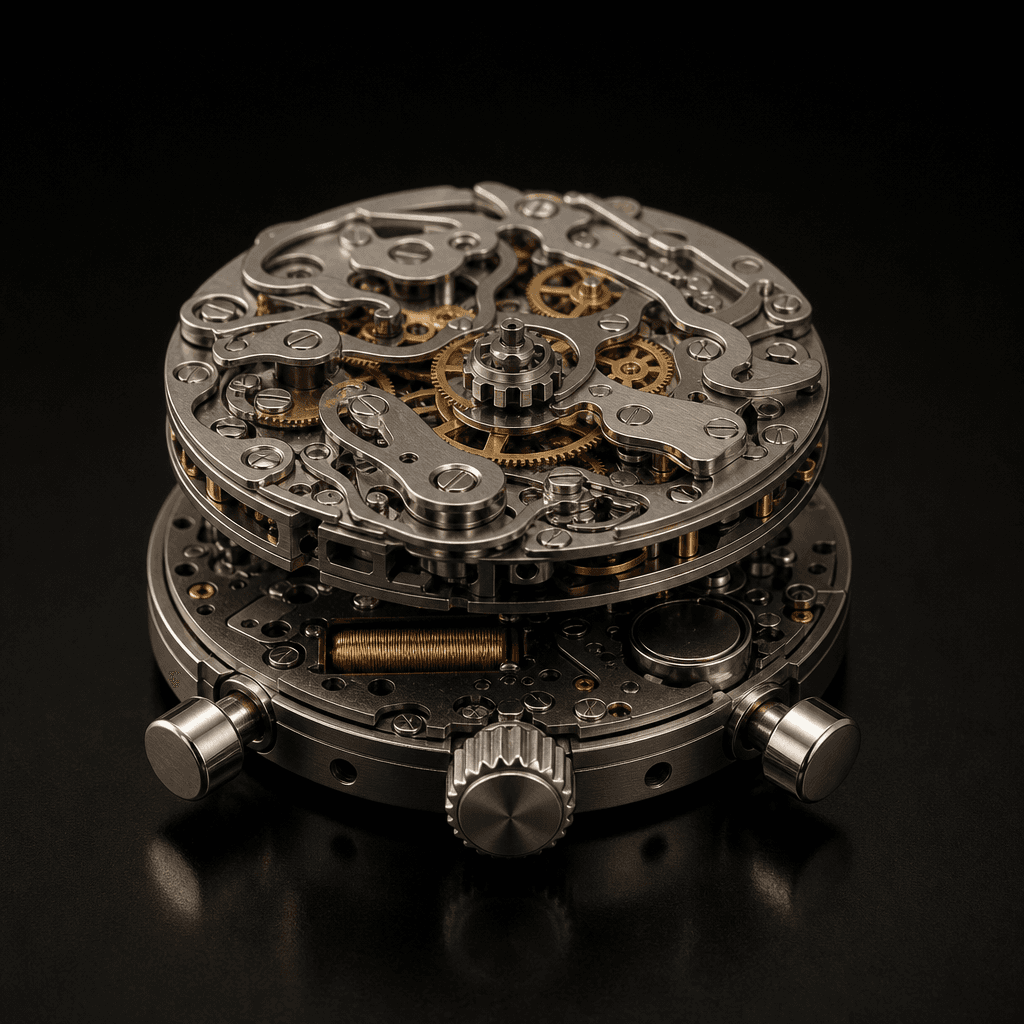
Meca-Quartz
Quartz timekeeping with a mechanical chronograph.
 Movement
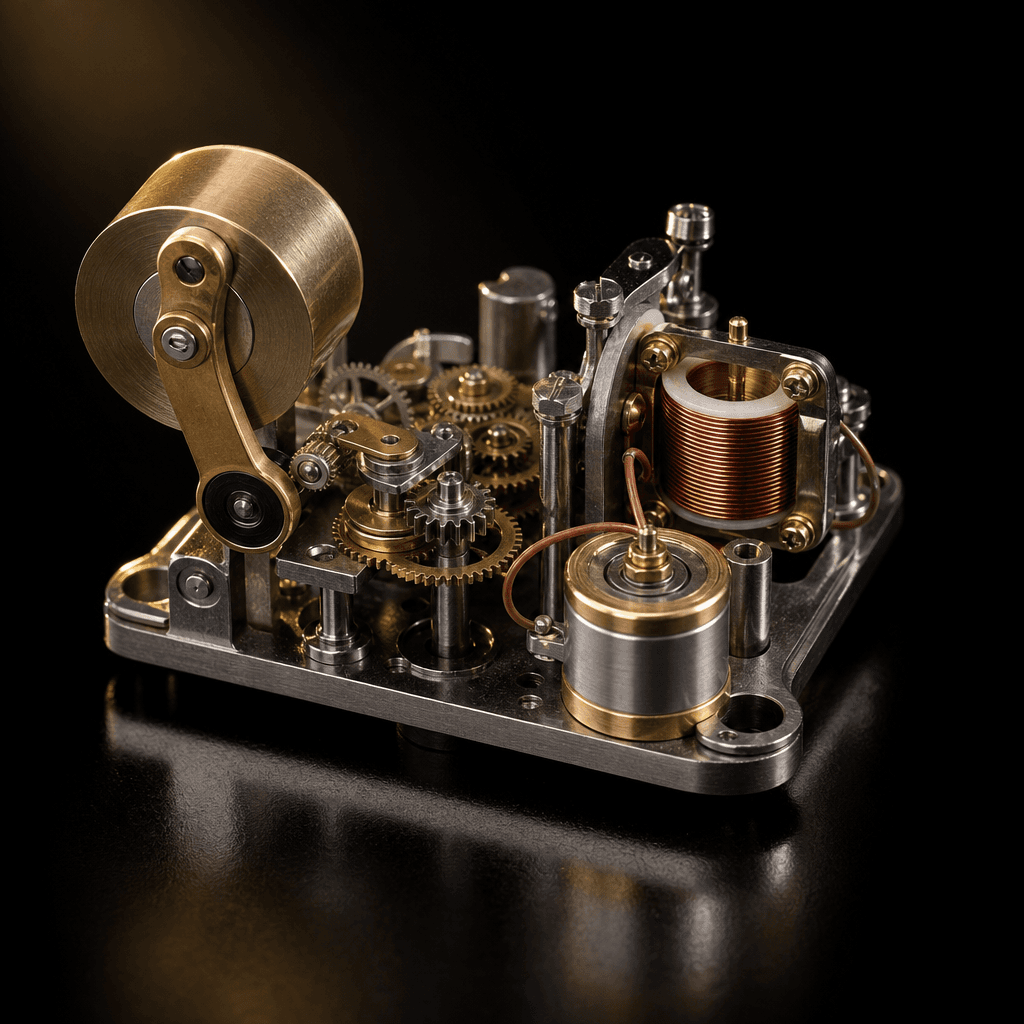
Kinetic
Wrist motion generates electricity for a quartz movement.
 Movement
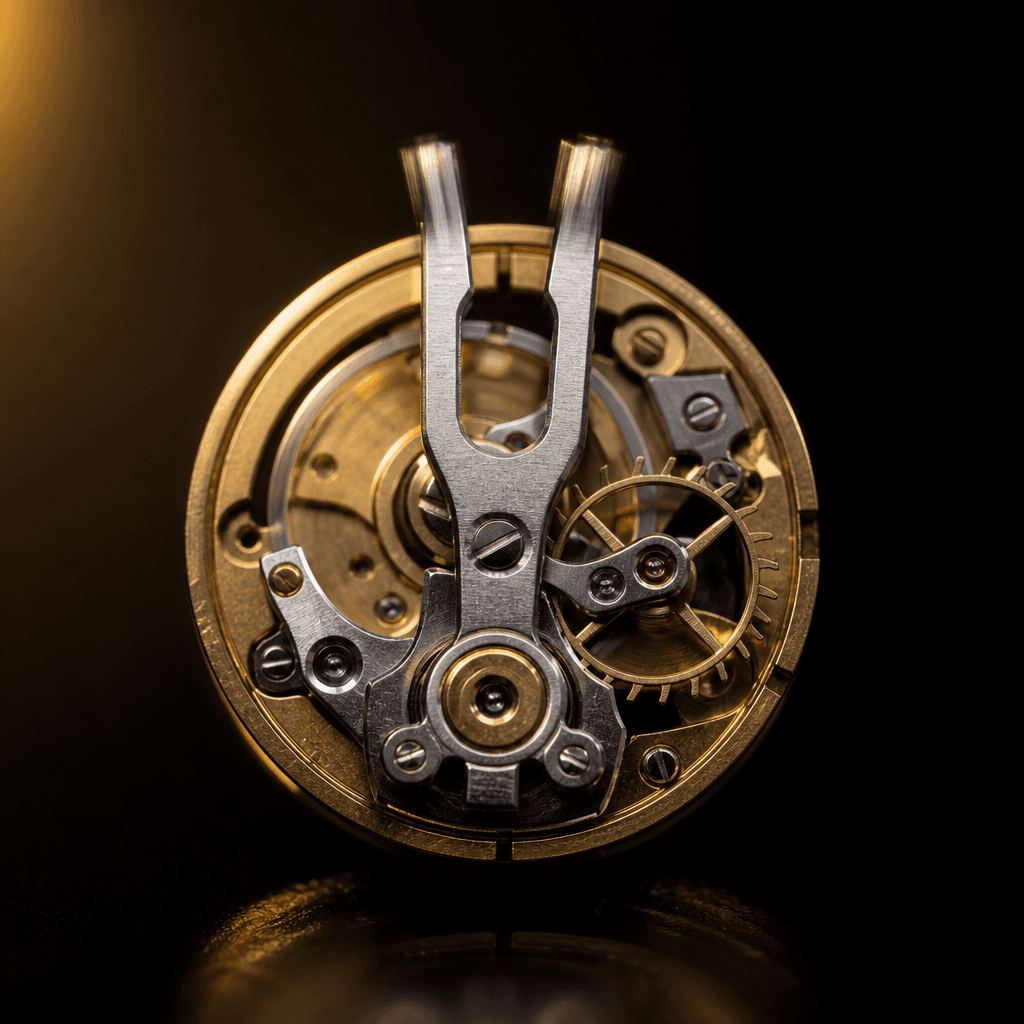
Tuning Fork (Accutron)
A humming fork instead of a ticking balance wheel.